

How Clear Should The Viewfinder Be On Old Camera
The all-time flick cameras in 2022: how to recapture the magic of film in the digital age
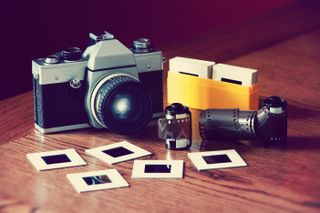
The all-time motion picture cameras are the perfect manner to ride the wave of analogue popularity in 2022 and beyond. Once thought expressionless, film has fabricated a hell of a comeback in recent years, largely buoyed past Instagram, as more than and more photographers discover the addictive pleasures of analogue shooting, an alchemical thrill that can't be replicated in megapixels.
Why do people still shoot film? There's a lot to dearest: the concrete permanence of information technology, the excitement of trying unlike picture stocks and seeing how different they wait. And there'due south also the delayed gratification, which may seem a strange thing to say, but there is something heady about the unknown quality of shooting film, and the delay between pressing the shutter and actually seeing the image you captured. It'southward exciting! So there's likewise the fact that many film cameras simply look cool, and are congenital with a metallic durability that's arguably superior to the dispensable plastic of today.
• We've been boot off a series of retro camera reviews for those who tin't get enough of counterpart shooting. We've already examined the ground-breaking Canon AE-1 , the mechanical Nikon FM2 and the students' favorite, the undecayed, no-nonsense Pentax K1000 . These cameras were popular on release, but have since go legends in the moving picture community, and yous'll see them deservedly feature in this guide.
Buying used moving picture cameras is a bit of a minefield, but like film shooting itself, is a lot of fun for its unpredictability. You can't rely on warranty and digital retailers, and instead have to become a savant at sorting the deals from the dross, using eBay and other second-hand sites, and perhaps even rummaging through a auto boot sale or flea market. We've kicked off our guide with a section all nearly the best used moving-picture show cameras, to give you some pointers on what to look for.
Of course, you aren't express but to ownership second-hand. There are relatively new film cameras being made, and while they can be a petty specialised and come up at loftier toll tags (the people who make them know they're the only ones in the business), if you're willing to spend a piffling, y'all can get a truly modernistic counterpart experience. The modern Leica M-A hearkens back to classic rangefinders, and gives them a gimmicky touch.
Across 35mm film, there are also big-format 'view' cameras. These take larger film formats like 120 and sail flick, and though they're slower to shoot and more expensive to prove, they deliver image quality that's pretty much unrivalled, with astonishing depth of focus and gorgeous latitude.
Some manufacturing have as well been focusing on ways to synergise one-time and new. We're talking in particular about Hasselblad here, who have made something of a splash with the Hasselblad CFV Two 50C, a modular system that tin fit directly onto the classic Hasselblad 500 c/m (i of the cameras on our listing below). It uses digital technology to give these old film cameras a new lease of life, and is an heady glimpse of the ways counterpart and digital might continue to meld in the futurity.
• The best 35mm moving-picture show, roll moving-picture show, and sheet pic to buy
Another gimmicky player in the counterpart infinite is Lomograpghy, who produce a tonne of quondam-fashion cameras, lenses and films all based around recapturing an analogue experience. We've included a department dedicated to the best Lomography cameras which includes loads of resurrected old camera designs as well as newer models, using different film types. These aren't the cameras y'all want if you lot're hunting for technical perfection, but they're huge amounts of fun.
In that vein, recollect disposable cameras? Single-utilise cameras are still fantastic for holidays, family time, parties and more, and these days you lot tin can get cheap disposable cameras loaded with full 35mm film, giving you lot real quality at your disposal. One is even underwater, and however good digital may exist, it can't give you an underwater camera for $15/£15.
Nosotros've collected it all for this list. One matter to annotation though is that if y'all're looking for the knockabout fun of instant film, Polaroid-mode, then our dedicated guide to the best instant cameras is where you desire to exist. And so without further ado, let'south crack on with the best film cameras you can purchase.
The best moving-picture show cameras in 2022
Best used 35mm moving-picture show cameras
We've picked out 10 'classic' film cameras yous can still find in skilful working condition today – that's an important cistron, because the best pic cameras are the ones that are however working! In that location are many more we could take included, but these are based on popularity, reputation and cost, with a few almost-forgotten masterpieces thrown in. The first five are 35mm cameras, the 2d five are medium format roll moving-picture show cameras. And yeah, you can buy both types of motion-picture show quite easily even today.
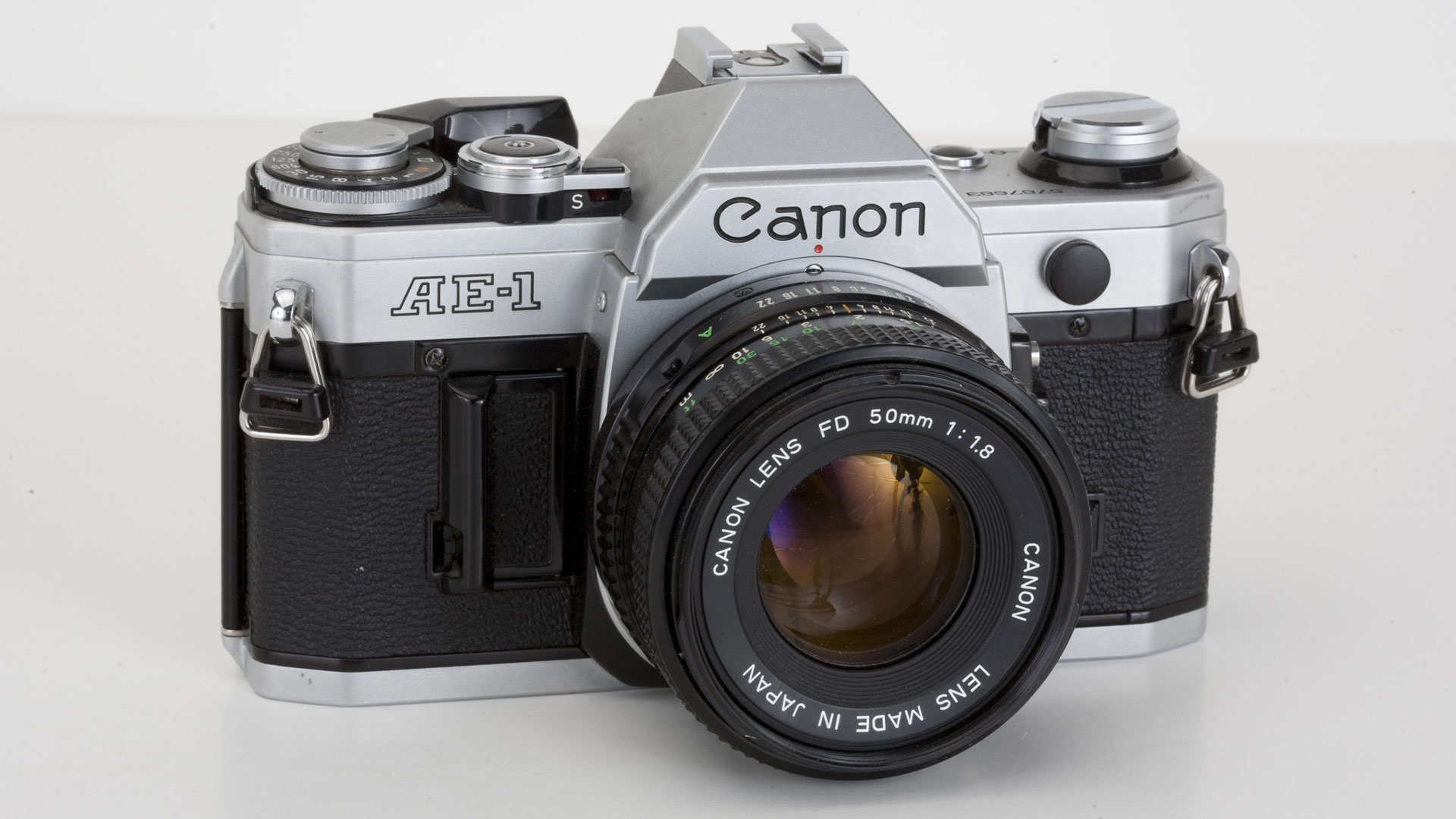
The Canon AE-1'south plastic structure kept the price affordable for novices and enthusiasts, while its electronically controlled cloth focal plane shutter offered a wide and repeatable shutter speed range. This meant it needed a battery to power its operation merely offered more than potential consistency than mechanically operated shutters. The AE-1 used Canon's FD breech-lock bayonet mount, which has since been superseded by its EF lens mountain, though adaptors are available. Metering was carried out by a single silicon photocell offering centre-weighted meter. The AE-one was unusual for offering shutter-priority automation at a time when well-nigh makers favoured aperture-priority operation. The AE-1P was a later variant that added a program AE mode.
Read more: Canon AE-one review – we revisit this groundbreaking legend.
• Used Canon AE1 deals on eBay.com
• Used Catechism AE1 deals on eBay.co.uk
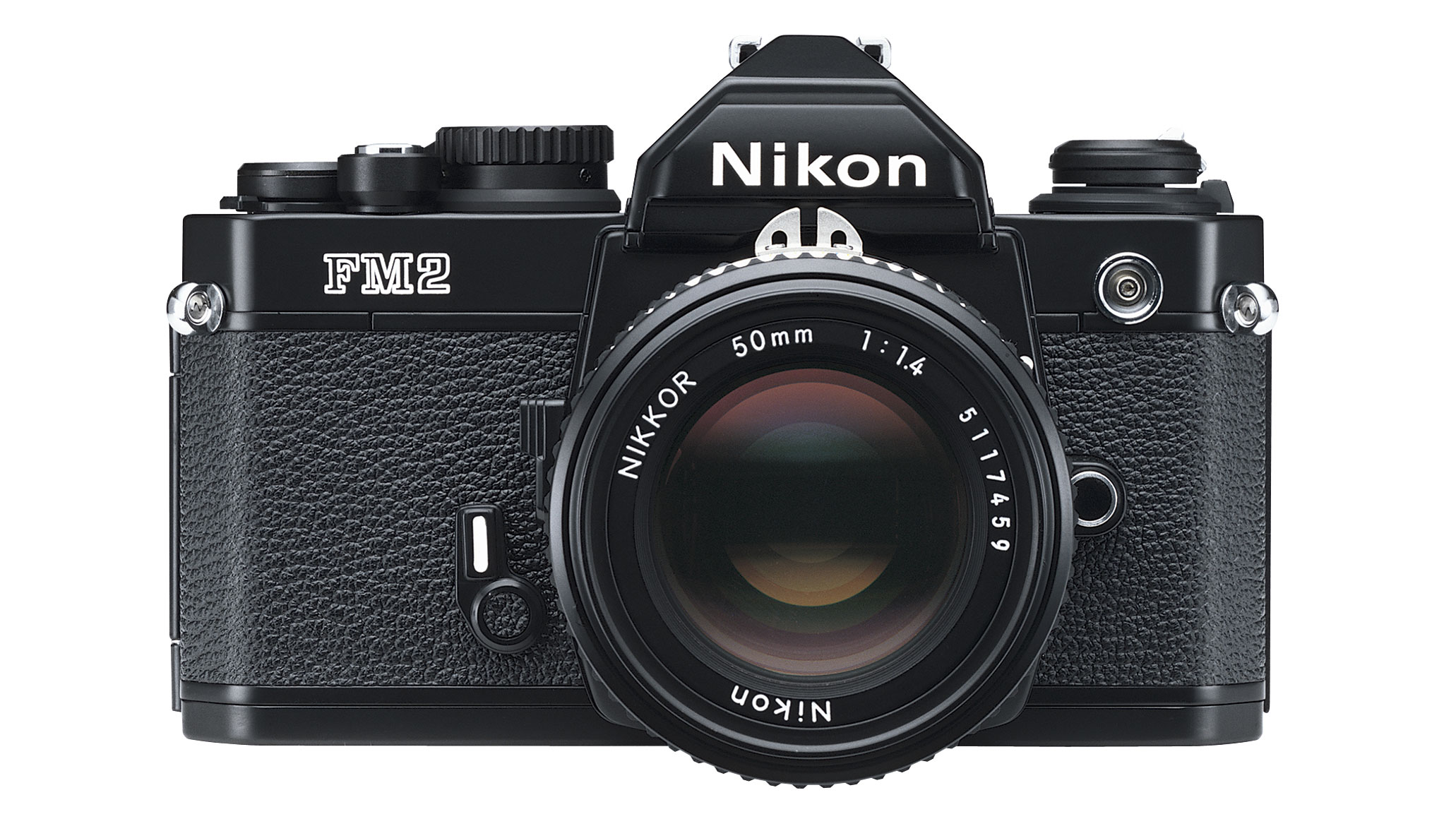
The Nikon FM2 came out at a time when other makers were bringing out smaller, cheaper SLRs and new electronic controls, so it seemed a chip of a throwback fifty-fifty so. Just its handsome looks and its reputation for longevity and durability drew lots of fans and kept it in production right upwardly until 2001. If you lot recollect the current Nikon Df looks good, you demand to option upwardly an FM2. It used a vertical metal shutter rather than the horizontal rubberized cloth shutters in near rival DLRs but it was fully mechanical and then the FM2 could work without a battery – this was only needed for the internal light meter. Its i/4000sec top shutter speed and tough copper-aluminum-silicon alloy body fabricated it sought after amidst pros, not just enthusiasts.
Read more: Nikon FM2 review – affordable for amateurs and loved by pros
• Used Nikon FM2 deals on eBay.com
• Used Nikon FM2 deals on eBay.co.uk
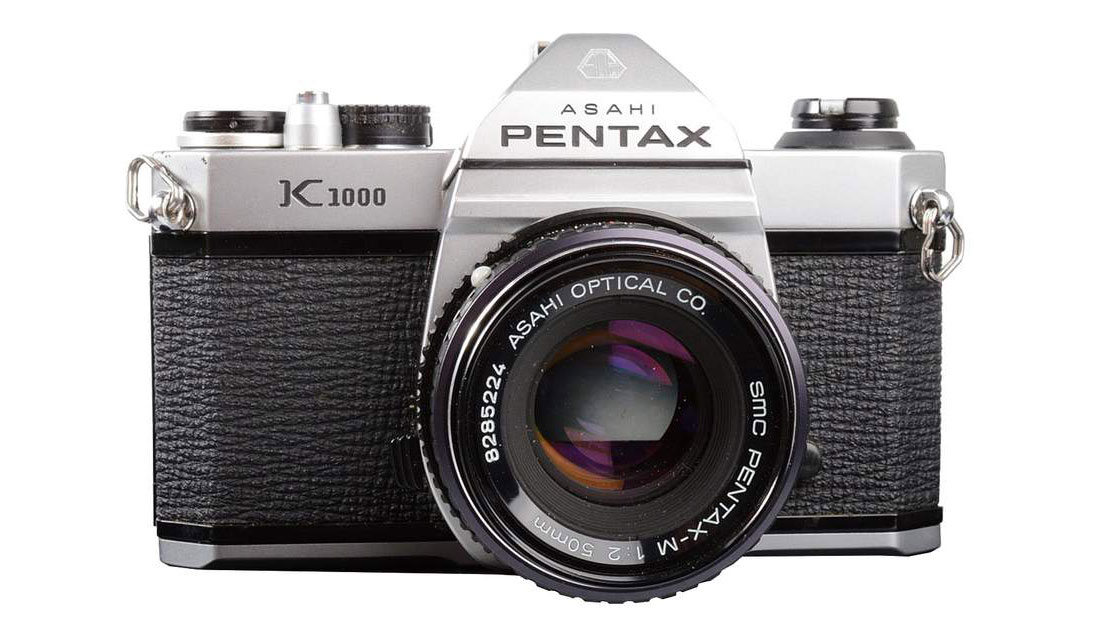
The K1000'south reputation has developed through what must have been seen at the time as simple cost-cut. Information technology was the cheapest of Pentax'southward DSLRs and even had the self-timer and depth of field preview on other models removed, just to save money. It'south an entirely transmission camera, and although it does demand a battery for its meter, the mechanical shutter will operate without one. Generations of students take come to love this camera for its low cost, simplicity and durability, while generations of lecturers have called it for its purely manual controls and the way it forces you to acquire exposure theory. The K1000 uses the Pentax One thousand bayonet mountain however in use today (though with some revisions for autofocus and electronics).
Read more: Pentax K1000 review – a no-nonsense manual classic
• Used Pentax K1000 deals on eBay.com
• Used Pentax K1000 deals on eBay.co.uk
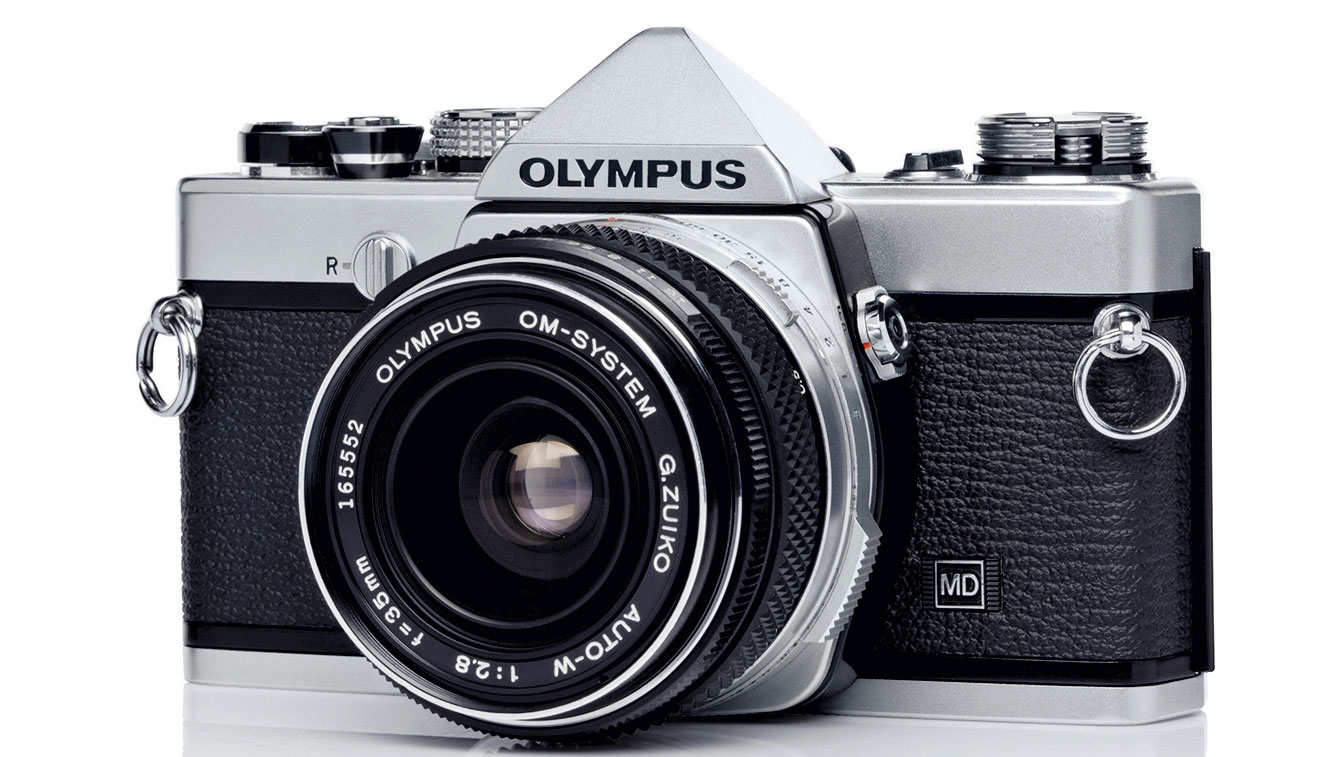
The 1970s were a gold age for 35mm SLRs and one of the meridian models of the fourth dimension was the Olympus OM-1. Information technology was a purely transmission SLR, flanked past a more expensive OM-2 and cheaper plastic OM-10 with added aperture-priority exposure modes. The OM-1 was designed by the same team that produced the PEN and PEN F, the models that inspired today's digital PEN models. The OM-1 was tiny compared to other bigger, heavier SLRs at the time, yet nonetheless boasted a big, bright optical viewfinder which fifty-fifty had interchangeable focusing screens. Unusually, the shutter speed was adjusted via a ring around the lens, while a big dial oin the elevation of the camera was reserved for setting the ASA (ISO) value for in-congenital lite meter – this was before the introduction of DX coding on motion picture canisters.
• Used Olympus OM1 deals on eBay.com
• Used Olympus OM1 deals on eBay.co.uk
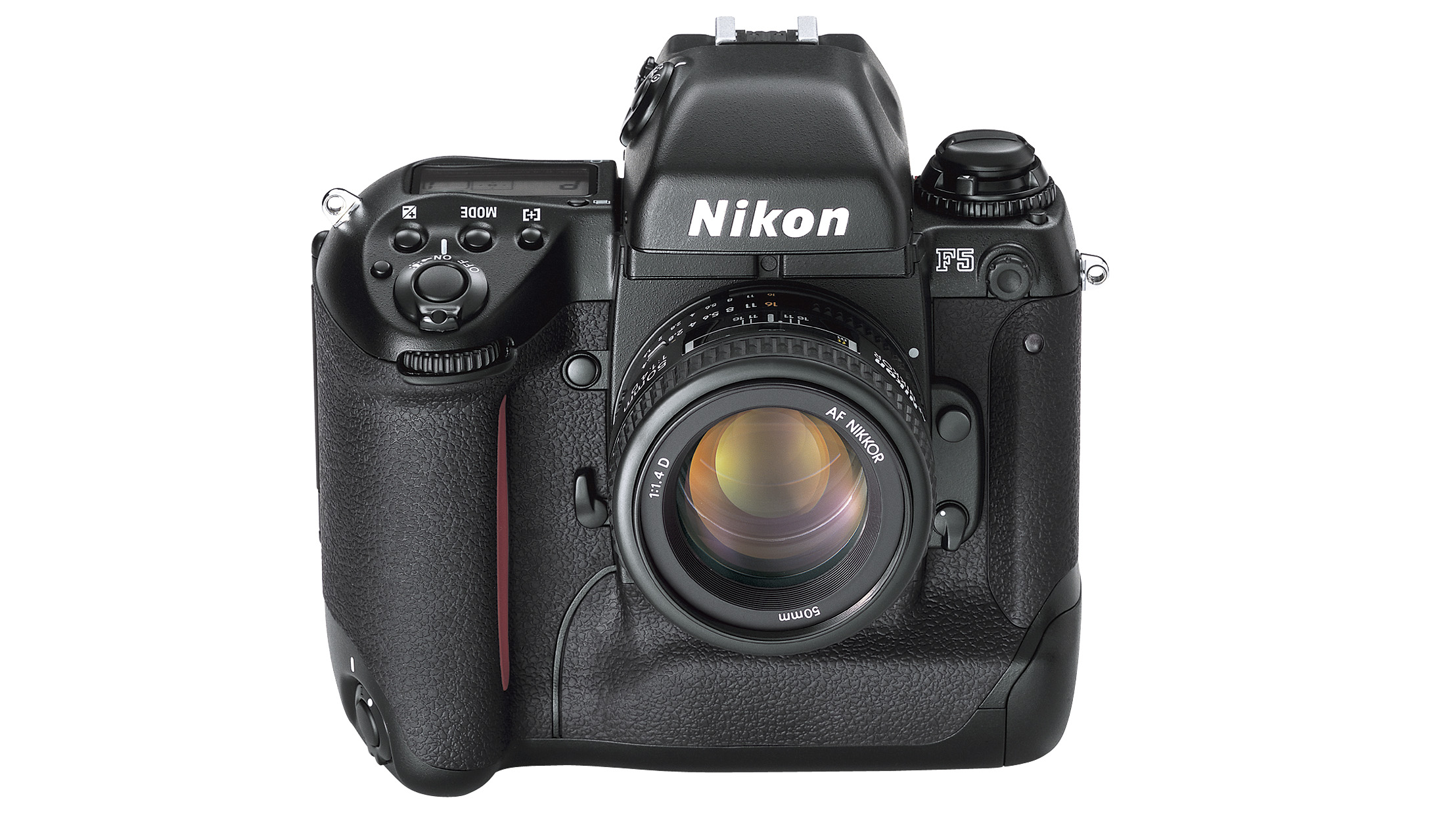
The Nikon F5 is the terminal professional bodied, fully autofocus film SLR that was produced by the visitor. Today, it is your best bet if y'all are looking for a truly avant-garde movie SLR that features great autofocus, discontinuity and shutter priority modes, besides as being able to use fully manual lenses. The F5 likewise automatically reads your film speed so not dialling in your ISO manually. With all theses advanced professional features and pro trunk styling, you do sacrifice portability slightly, the F5 is built like a tank, but that means information technology is a rather weighty camera that wouldn't necessarily be a height choice for a travel camera however, for anything else information technology would be the best "become to" for the job.
• Used Nikon F5 deals on eBay.com
• Used Nikon F5 deals on eBay.co.united kingdom
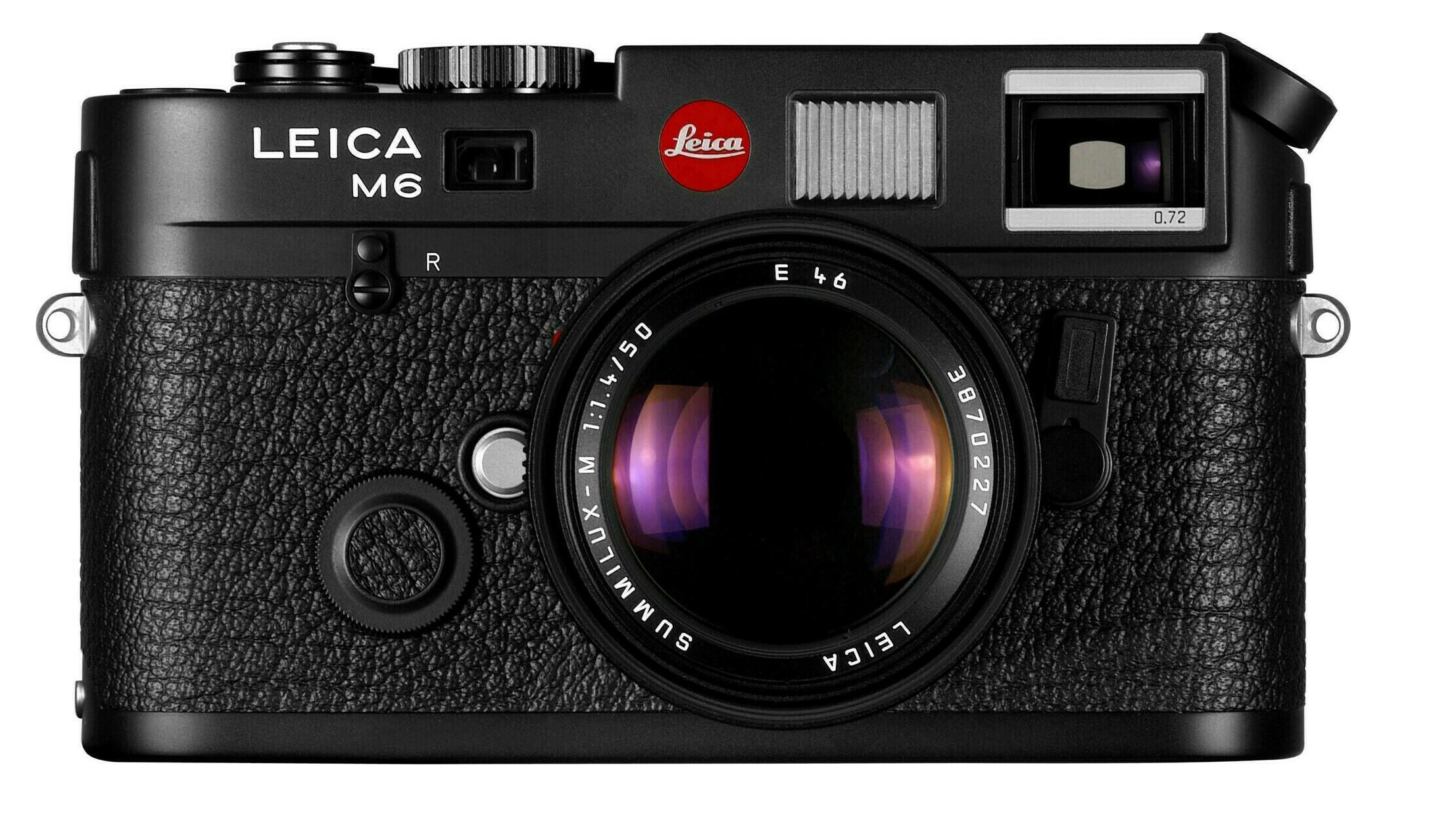
Leica Yard rangefinders will ever be controversial and tin take a bit of getting used to. However, the rangefinder focusing is fast and precise in the right hands just takes some learning. Merely once mastered the M6 can produce some fantastic results, it has been a fan favourite for some time, and now has a rather cult following in the motion picture customs, so you volition have to pay a hefty price to go a good one. This is merely the offset, because Leica lenses are every bit expensive. But if y'all like your motion picture photography to exist stripped back to its nuts, the M6 volition oblige. You'll need to apply the settings yourself and y'all'll need to focus yourself, but for Leica M fans that's what it means to be a lensman.
• Used Leica M6 deals on eBay.com
• Used Leica M6 deals on eBay.co.uk
Best used medium format film cameras
If you asked any professional photographer in the 1960s, 1970s or 1980s which was the best film photographic camera, they would have said a medium format photographic camera. This might have been a twin-lens camera like a Mamiya C330 or a medium format SLR similar a Hasselblad 500 C/Chiliad. For pro photographers, medium format cameras were the standard, large format was for 'expensive' clients and 35mm was for amateurs. Probably!
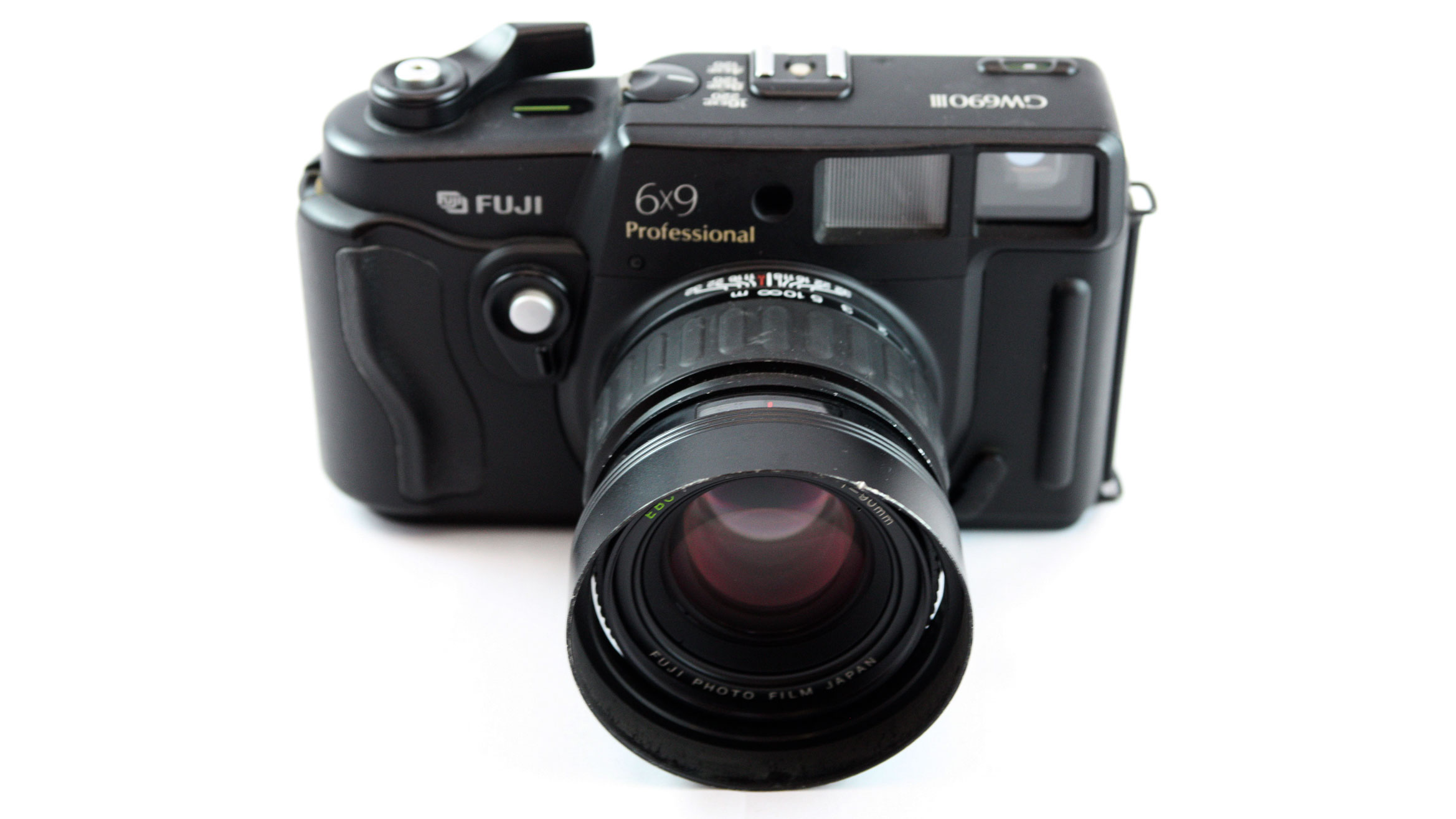
The great thing nigh picture show, and especially medium format 120 roll film, is that it'due south so flexible – both literally and metaphorically. The film rolls are 120mm wide, but it's upwards to the camera maker how much width they want to use. vi ten 4.5cm medium format cameras shot rectangular images 'sideways' on a roll, regular vi ten 6cm cameras shot square images so it didn't matter which fashion you turned the camera, but other cameras similar the RZ67 to a higher place and the Fuji GW690 shot extra-wide images. You got fewer exposures on a roll, but extra-large negatives and transparencies. The GW690 is a no-frills stock-still-lens transmission exposure camera that offers huge images in a comparatively portable package.
• Used Fuji GW690 deals on eBay.com
• Used Fuji GW690 deals on eBay.co.uk
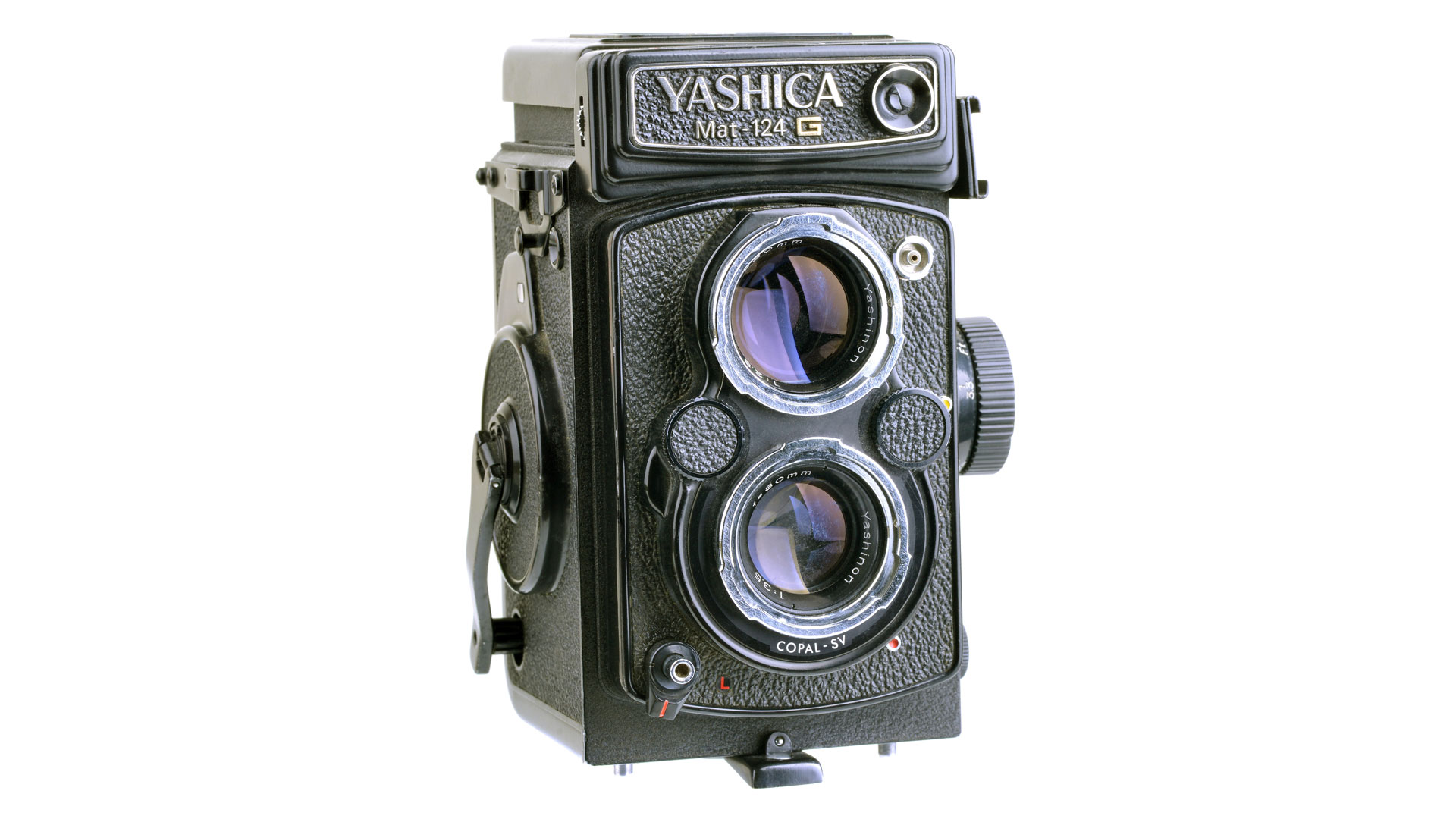
Twin lens reflex cameras use a unique double-lens design, with the camera and its taking lens in the bottom half and a matched lens for viewing and composing photos in the meridian one-half. The viewing lens projected an image of the scene on to a ground glass screen viewed past flipping upwardly the lid, which sprung open into a kind of lightbox. The image was reversed, which took a fleck of getting used to, simply the combination of a foursquare image (long before Instagram!) and waist level viewing encouraged compositions and angles that yous simply don't 'see' with other cameras. It's a uncomplicated and reliable pattern that shoots 12 frames on medium format 120 coil motion picture, with shallow depth of field furnishings we pay a fortune to achieve with mod cameras.
• Used Yashica Mat 124G deals on eBay.com
• Used Yashica Mat 124G deals on eBay.co.uk
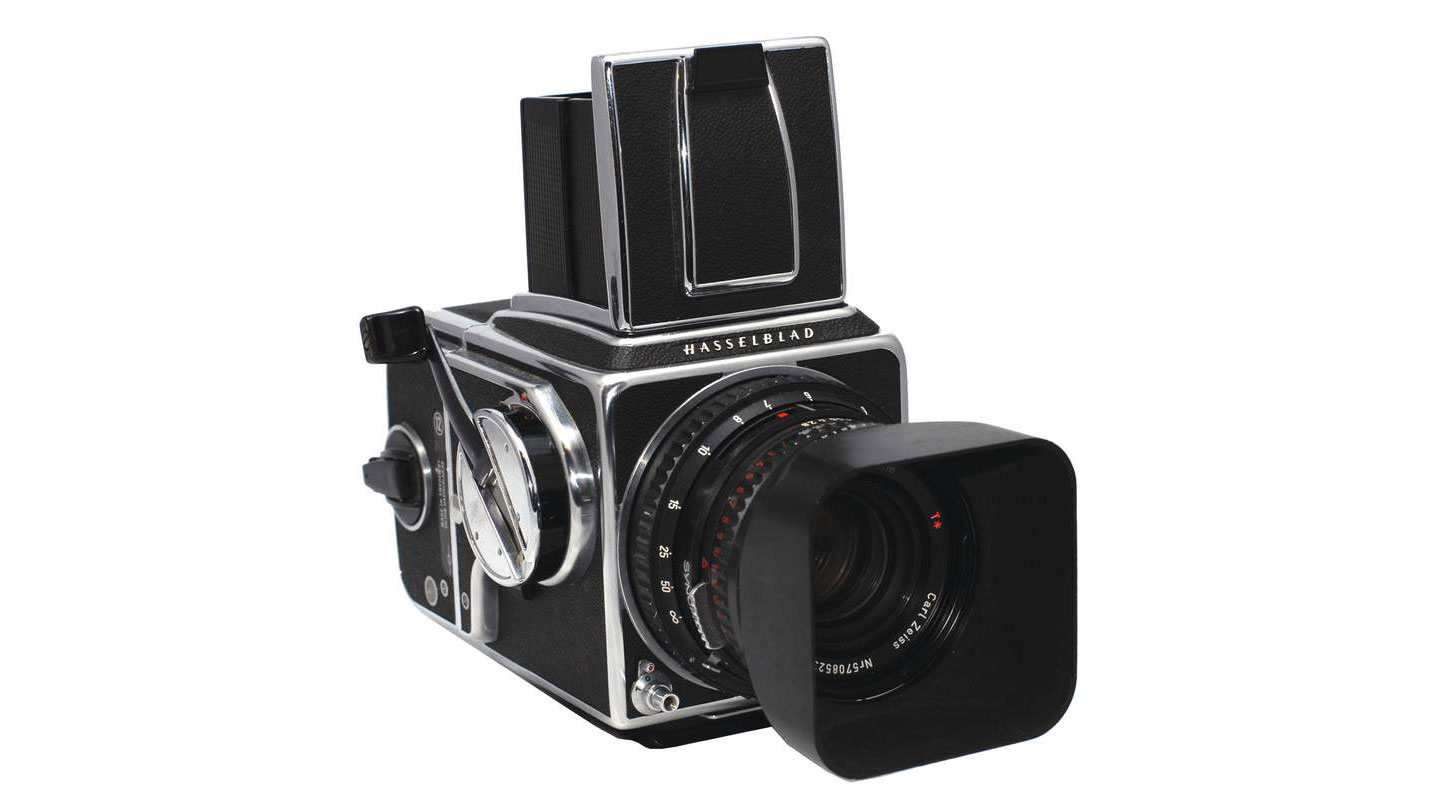
Looking at the Hasselblad 500 C/M at present, it'south hard to believe this photographic camera design first arrived in 1957. Its commonsensical box-shaped blueprint looks every bit if it could have been designed yesterday, and modernistic high-stop medium format cameras still utilize its flexible, modular pattern. The camera is the central box, to which you can fit a wide variety of lenses, a number of dissimilar viewfinder attachments and different film backs. The interchangeable backs deserve a special mention – you could swap backs in moments, with your assistant loading new films into a spare back as you shoot, swap between the foursquare 6 x 6cm or 6 10 iv.5cm formats or even clip on a Polaroid dorsum to examination lighting and composition – this was instant playback (or near it) before digital capture was even invented.
And best yet, new life has been breathed into the Hasselblad 500 C/M with the release of the Hasselblad 907X 50C, a state-of-the-art digital back that fits direct onto the 500 C/M with a serial of satisfying clicks and clunks. A tactile analogue experience meets digital perfection, it adds another point in favour of this fantastic moving-picture show photographic camera.
• Used Hasselblad 500 C/Yard deals on eBay.com
• Used Hasselblad 500 C/M deals on eBay.co.great britain
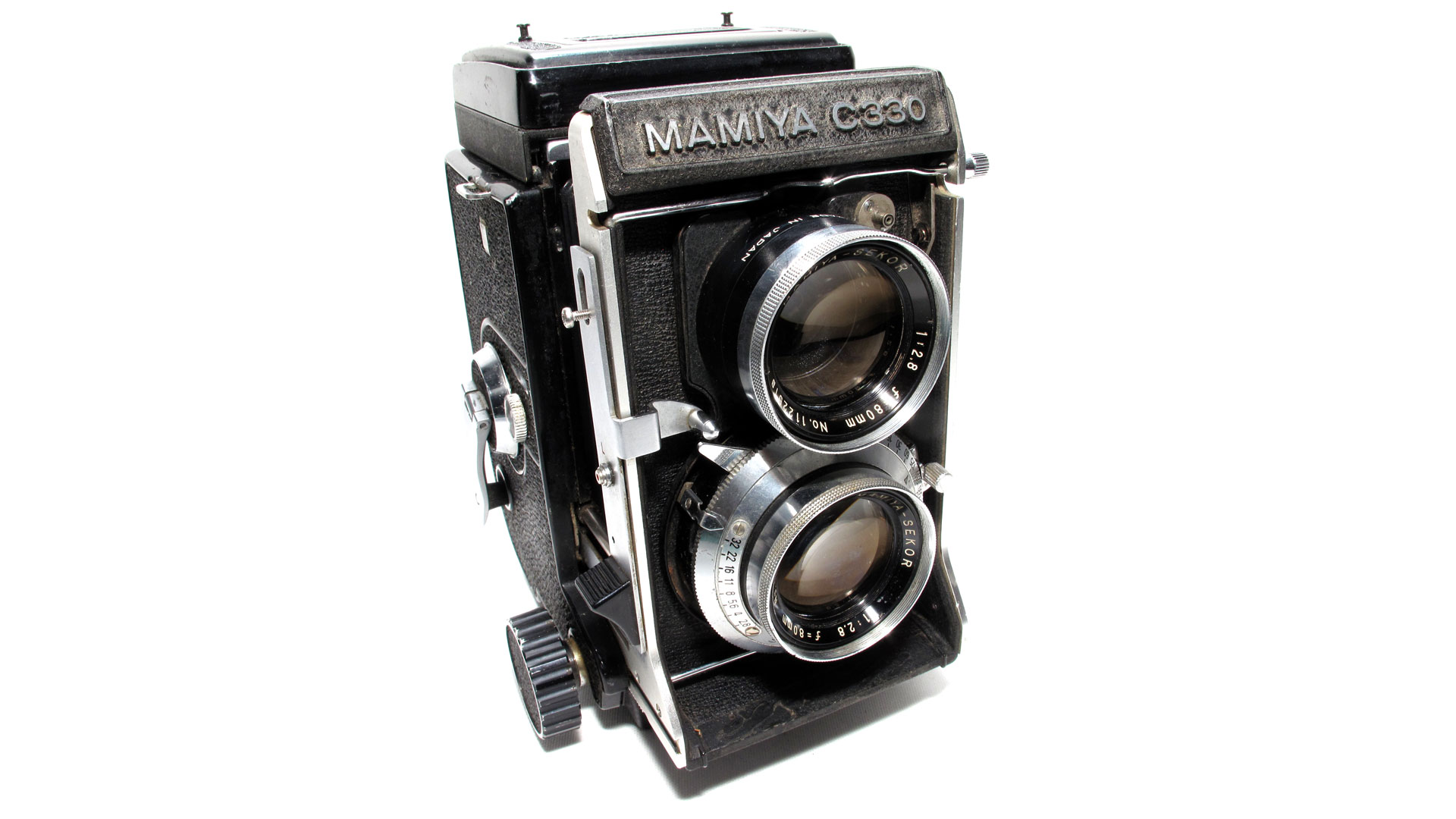
Where the Yashica Mat 124G was an affordable twin lens reverberate photographic camera with a stock-still lens, the Mamiya C330 was a professional version with interchangeable lens pairs, which was introduced and became pop in the 1970s equally a less expensive and less complex alternative to the Hasselblad 500, THE professional medium format camera of the fourth dimension. The C330 was a true system camera, with interchangeable lenses (from 55-250mm), interchangeable focusing screens and a choice of viewfinders. It's a big old lump to conduct around merely it's still possible to see analog photographic camera fans and photography students nonetheless using them today.
• Used Mamiya C330 deals on eBay.com
• Used Mamiya C330 deals on eBay.co.united kingdom
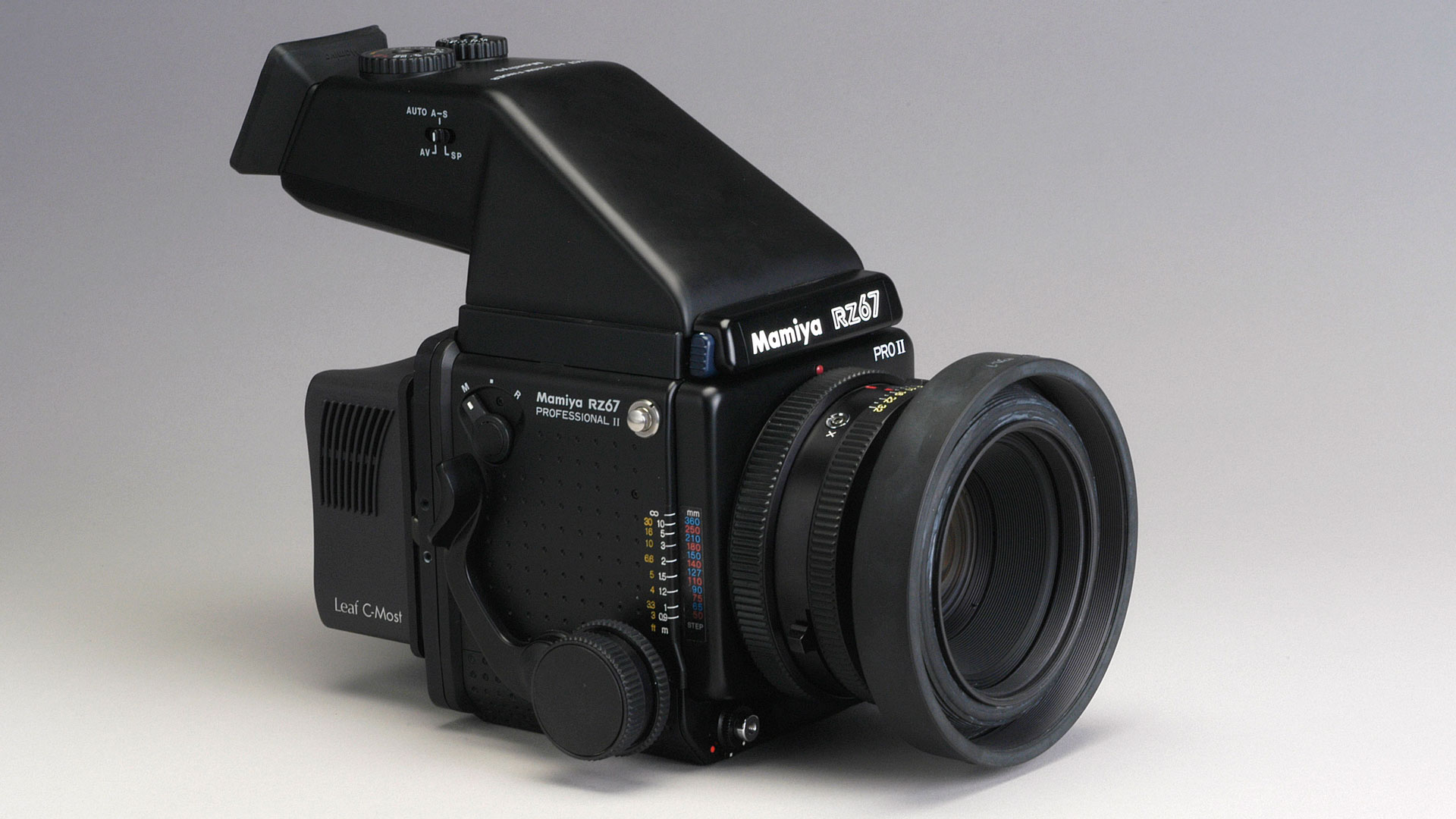
An evolution of the RB67, introduced in 1970, the RZ67 keeps the revolving dorsum that gave the before arrangement its name, and the just-off-square six x 7cm image surface area. Just to put this in context, this is far larger than the 6 x 4.5cm area of the largest medium format digital models today. Similar the Hasselblad 500 C/Chiliad, the RZ67 is a modular camera with interchangeable lenses, viewing systems and backs. It's a bit big and heavy for extended handheld utilise, though, and it'due south best used on a tripod. High-quality medium format film cameras are belongings their prices pretty well at the moment, and you might take to shop around to go a good working, affordable case.
• Used Mamiya RB67 deals on eBay.com
• Used Mamiya RB67 deals on eBay.co.uk
Modern film cameras are pretty specialised. They're aimed either at analog auteurs who just beloved the expect of film and the feel of moving picture cameras, or technicial specialists for whom large film formats, extensive perspective-correcting camera movements and the ability to mix and lucifer a wide range of lens, moving-picture show types and even digital backs is more than of import than than the quick-fire simplicity of regular digital cameras.
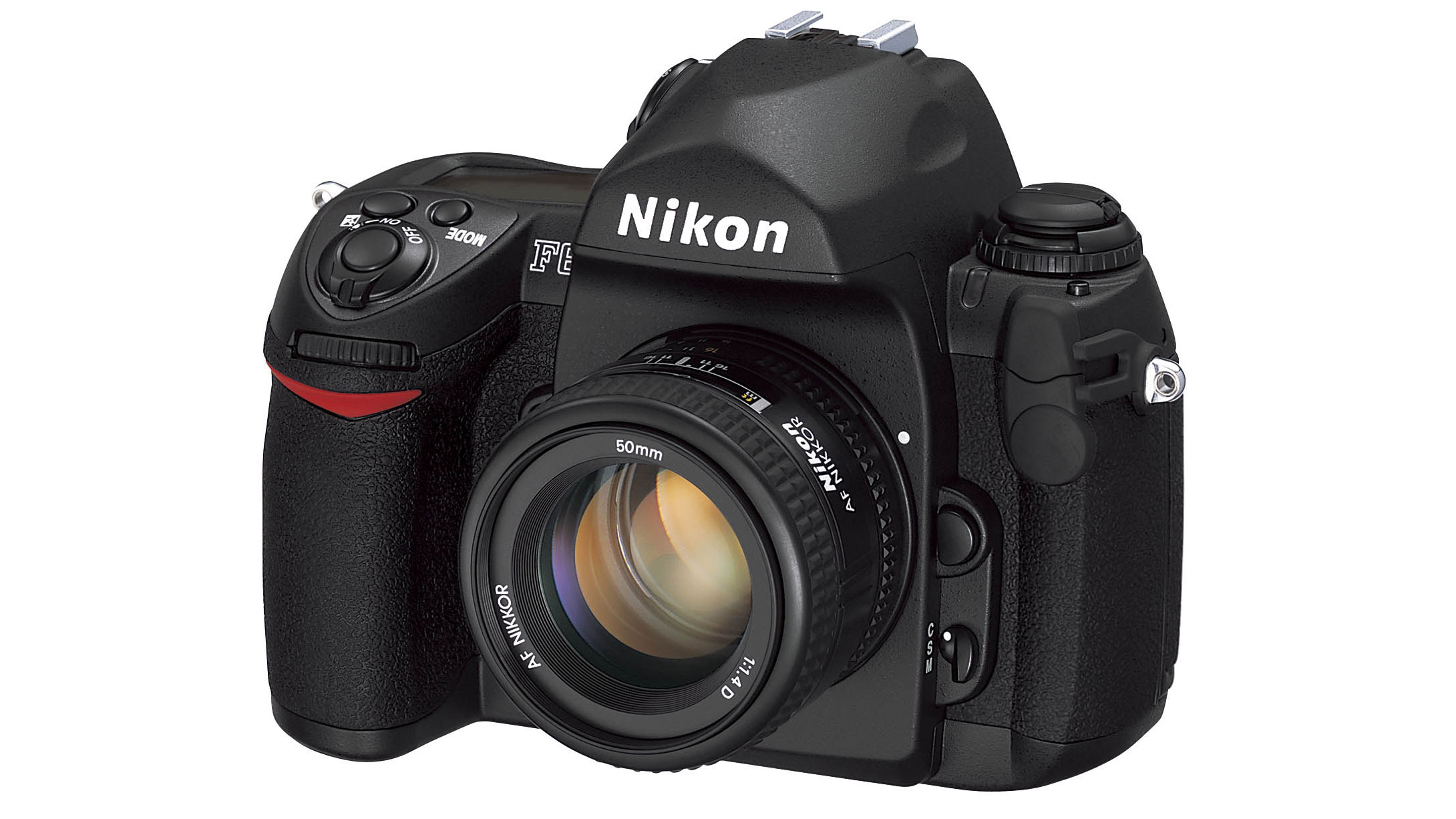
The Nikon F6 is similar the missing link between old-school 35mm SLRs and mod digital SLR cameras. Many of its specs will seem quite familiar to modernistic digital users, including its full plan AE, aperture-priority, shutter-priority and transmission modes, powered moving picture accelerate at upwardly to 5.5fps and an 11-signal AF organisation backed up past Nikons 3D Color Matrix metering system. Styled by Giugiaro, the aluminum alloy body looks a dream, just the 5.5fps continuous shooting speed is modest by today's DSLR standards. Even so, the F6 offers a chance to get a beautifully designed and made picture camera is as-new working society with modernistic controls and technology. The Nikon F6 is available new in some places, but has been discontinued in many countries.
• Used Nikon F6 deals on eBay.com
• Used Nikon F6 deals on eBay.co.uk
Best new picture cameras
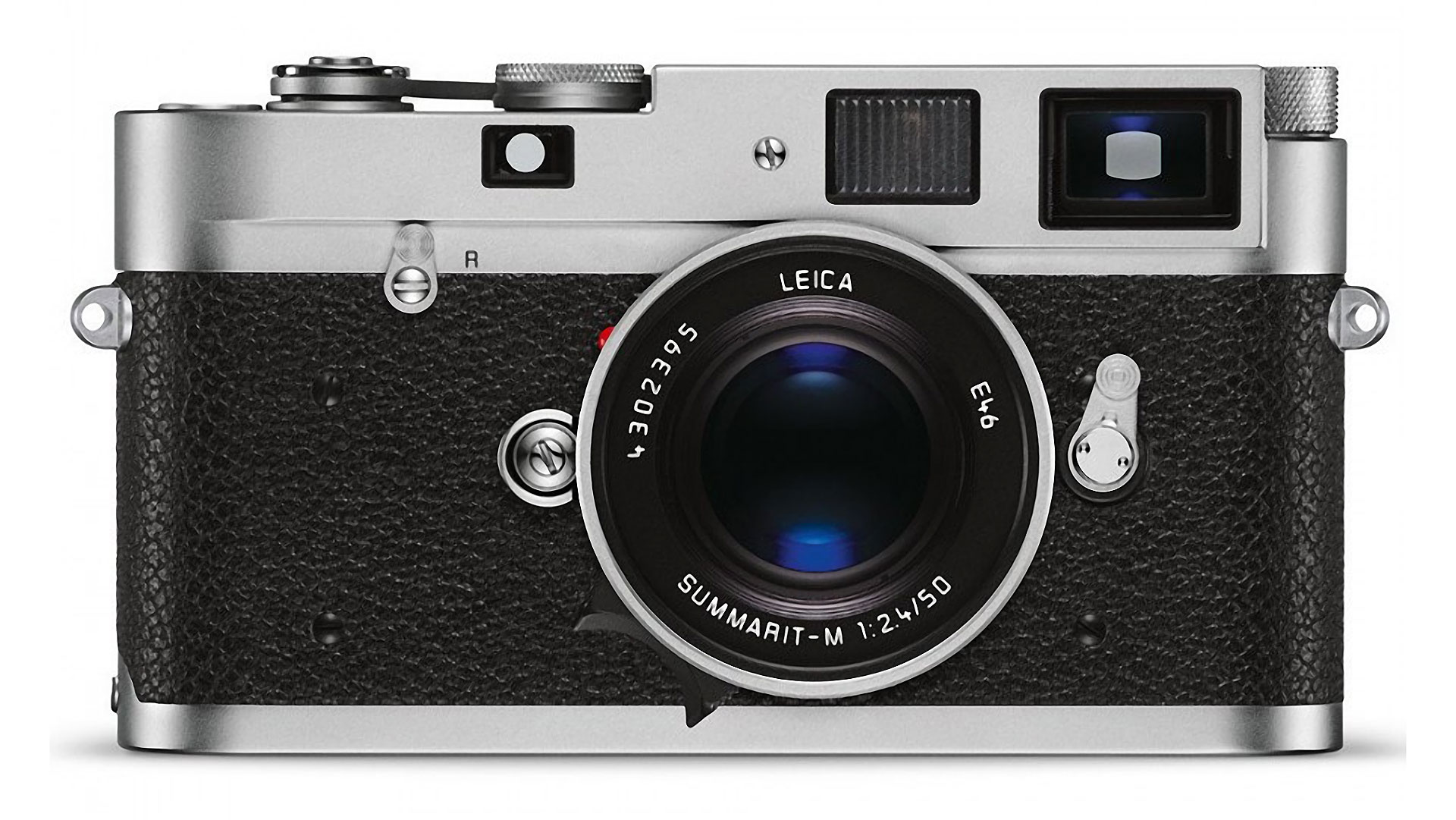
Leica M rangefinders will e'er be controversial. To some they're overpriced, overhyped throwbacks to an era that's long gone. To others they're beautifully made classics of engineering that have reached a plateau of perfection. The M rangefinders take a fleck of getting used to. Rangefinder focusing is fast and precise in the right easily just takes some learning, while the pain of paying for an Yard-A body is only the start, because Leica lenses are equally expensive. Simply if you like your movie photography to be stripped dorsum to its basics, the Chiliad-A will oblige. You lot'll need to work out the exposure yourself, you'll need to apply the settings yourself and yous'll need to focus yourself, but for Leica Chiliad fans that's what it means to exist a photographer.
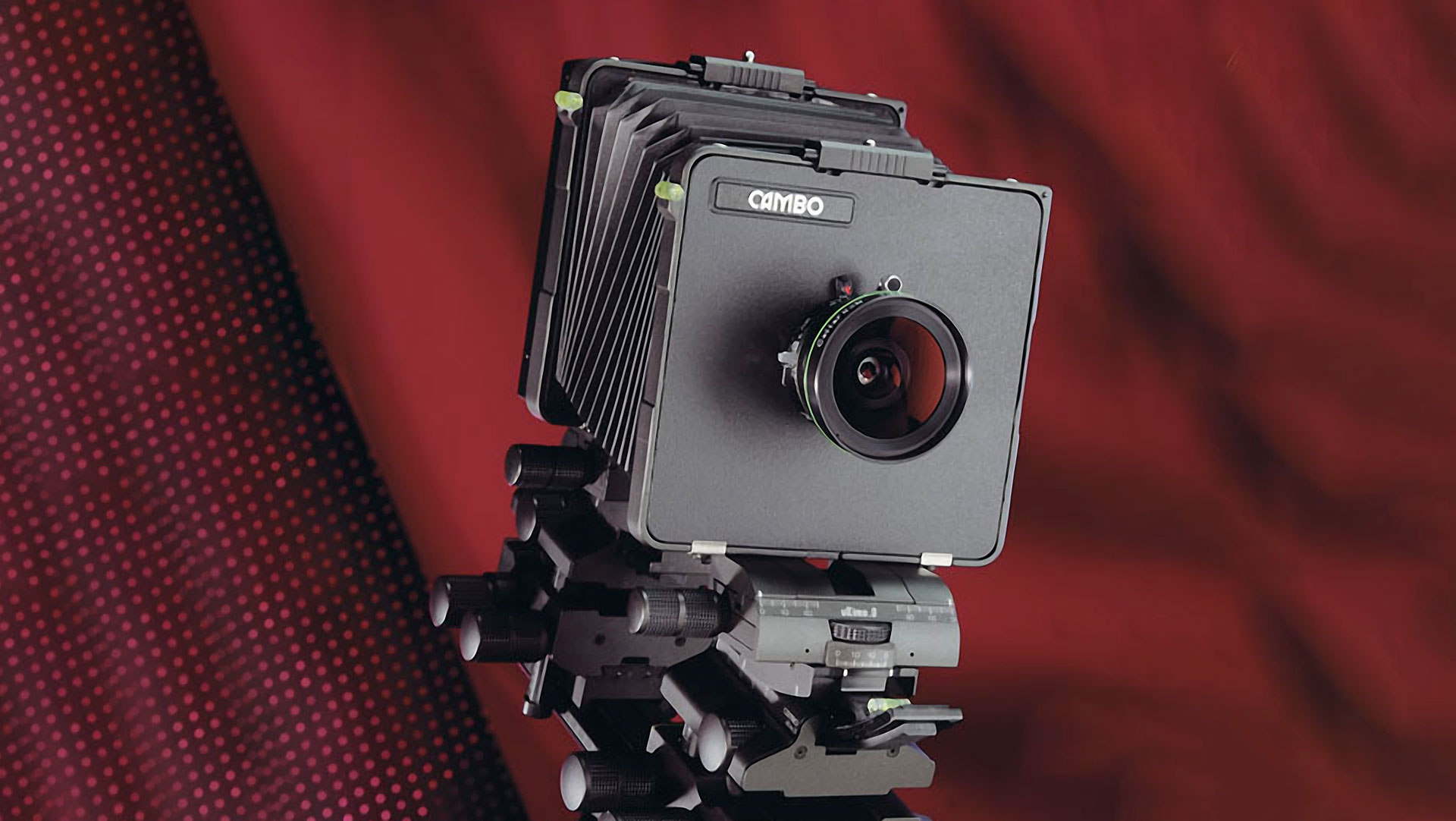
The Cambo Ultima is a modular monorail camera. The Ultima 45 is not a complete camera in itself because yous'll also need a lens plate and lenses and either a film or digital back. Information technology's a very interesting crossover production that handles very high quality large format motion-picture show photography simply besides modern digital backs with much smaller sensor areas. The bespeak nearly a monorail system is partly its supremely modular and flexible (and, uh, expensive) blueprint, and the way the back and forepart plates can be shifted and angled independently for unprecedented control over perspective, depth of field and planes of focus. It'due south well suited to studio and architectural photography for those reasons, and harks back to the days when top quality commercial photography was made using five x 4" sheet pic.
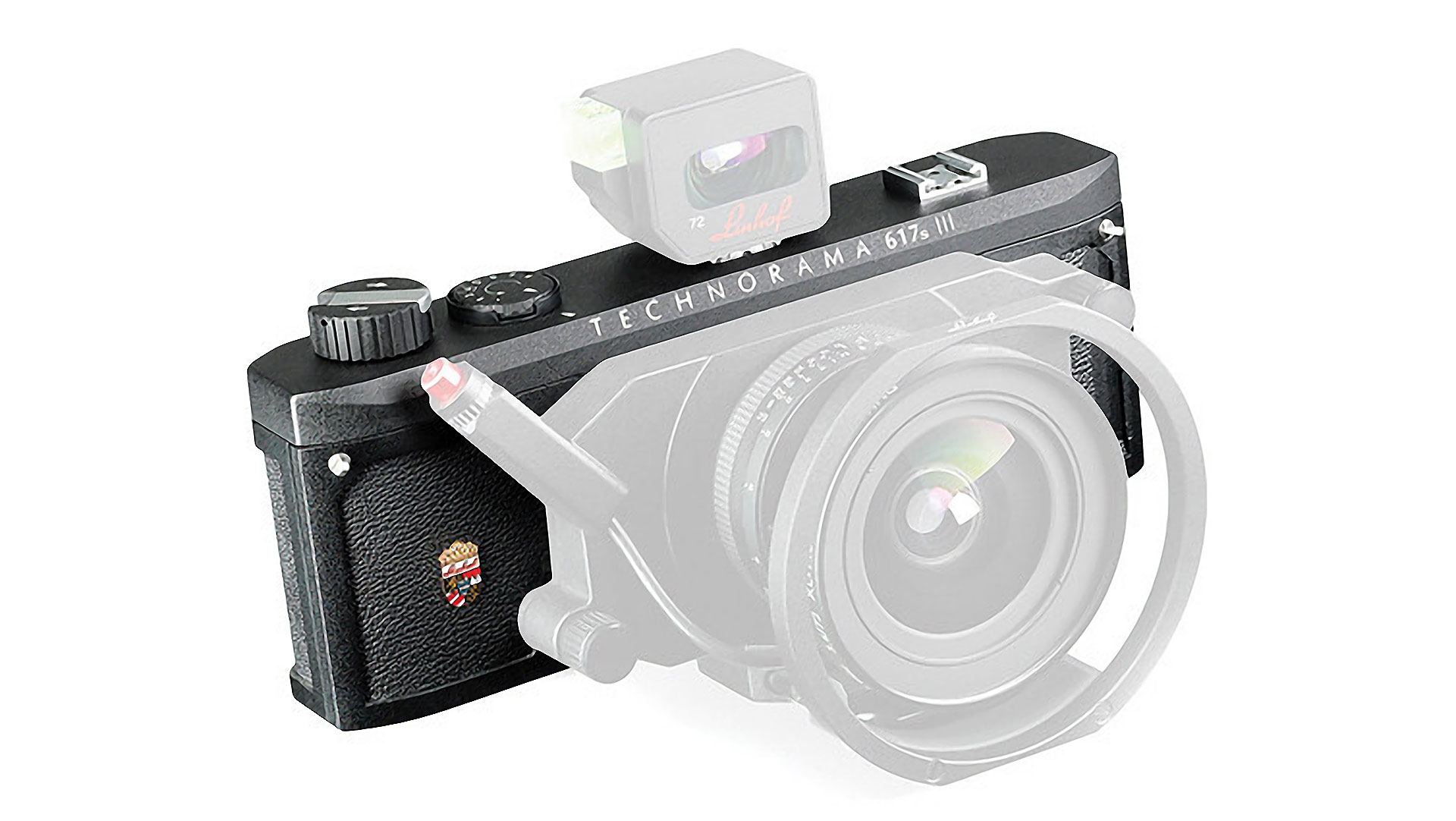
Some may remember Hasselblad's much-loved XPan panoramic camera and a few more may know of the Linhof Technorama. Unlike the XPan, even so, the Technorama is nevertheless going. The Technorama 617s III is sold trunk-but but a number of different lenses are available. It's a camera for experts, not only because of its manual exposure but because of the need for precise transmission focus (it doesn't have a through-the-lens photographic camera) and the demand to go along the photographic camera admittedly level for those ultra-wide 17:vi ratio images. The Technorama is designed for loftier-quality technical photography and shows the flexibility still offered by the analog moving picture format.
• Linhof Technorama 617 deals on ebay.com
• Linhof Technorama 617 deals on ebay.co.uk
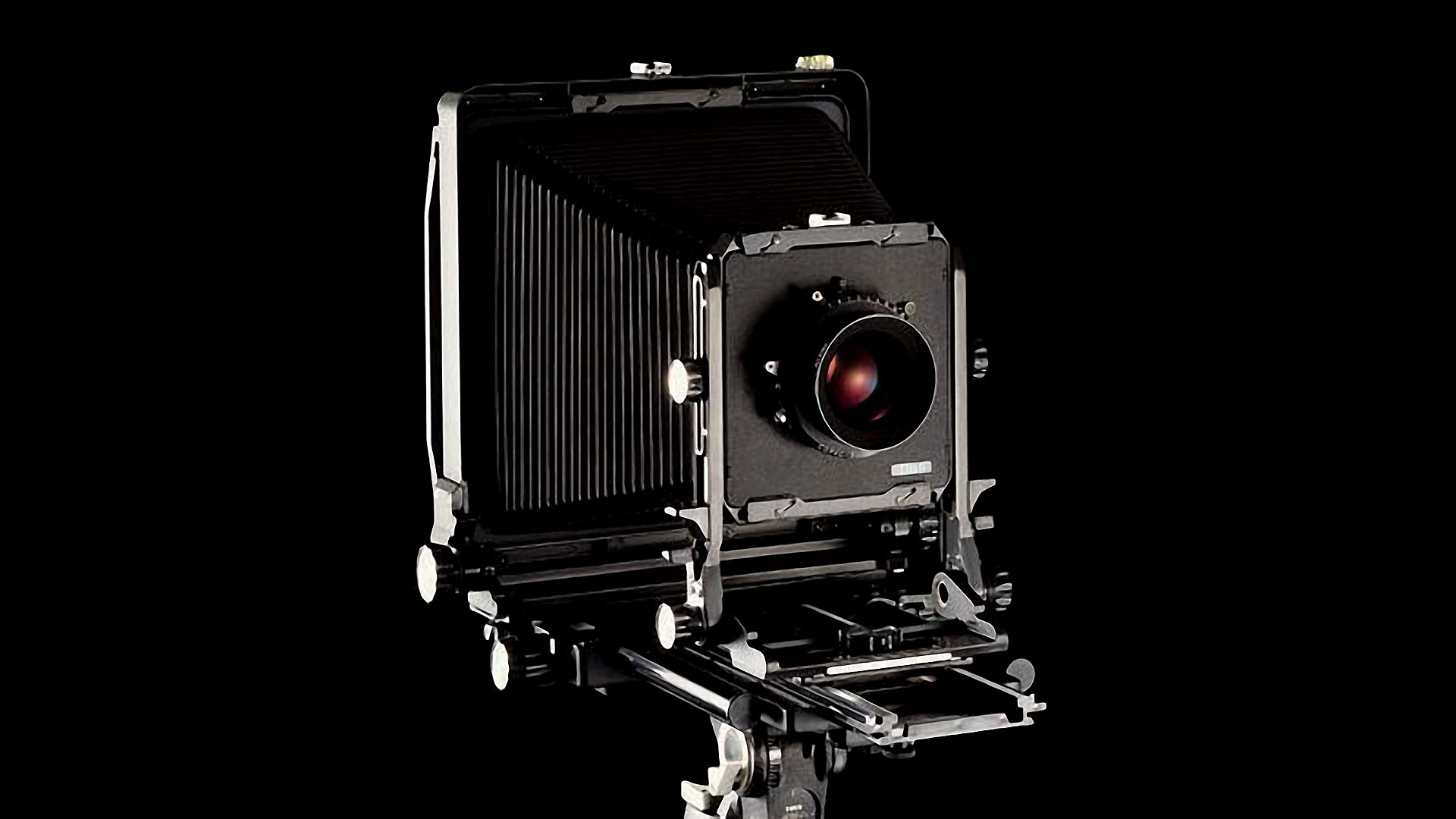
Motion picture cameras autumn into different size categories, only as digital cameras to today. 35mm cameras were 'miniature' models, believe it or not, and medium format cameras were called 'medium' considering in that location was a 'large' format to a higher place that. These use sheet film, usually measuring v x 4", to offer supreme image quality. Well, almost supreme, because there is also a ten x eight" size with iv times the negative area. The Toyo-View 8x10 810MII is an example of this camera type that'southward still made today. You lot'll need to source your own lens plates and lenses, runway down 10 x 8" motion-picture show and piece of work out how to carry a photographic camera weighing 15lb on its own, but with sublime image quality and a wide range of lens and camera back movements, information technology's a chance to follow in Ansel Adams' footsteps.
Lomography cameras
Lomography's shops and online store provide an Aladdin'southward cave of photographic curiosities, from relaunched budget snappers from Russia to new widescreen broad-angle panoramic cameras to a 35mm kit camera you can brand yourself.
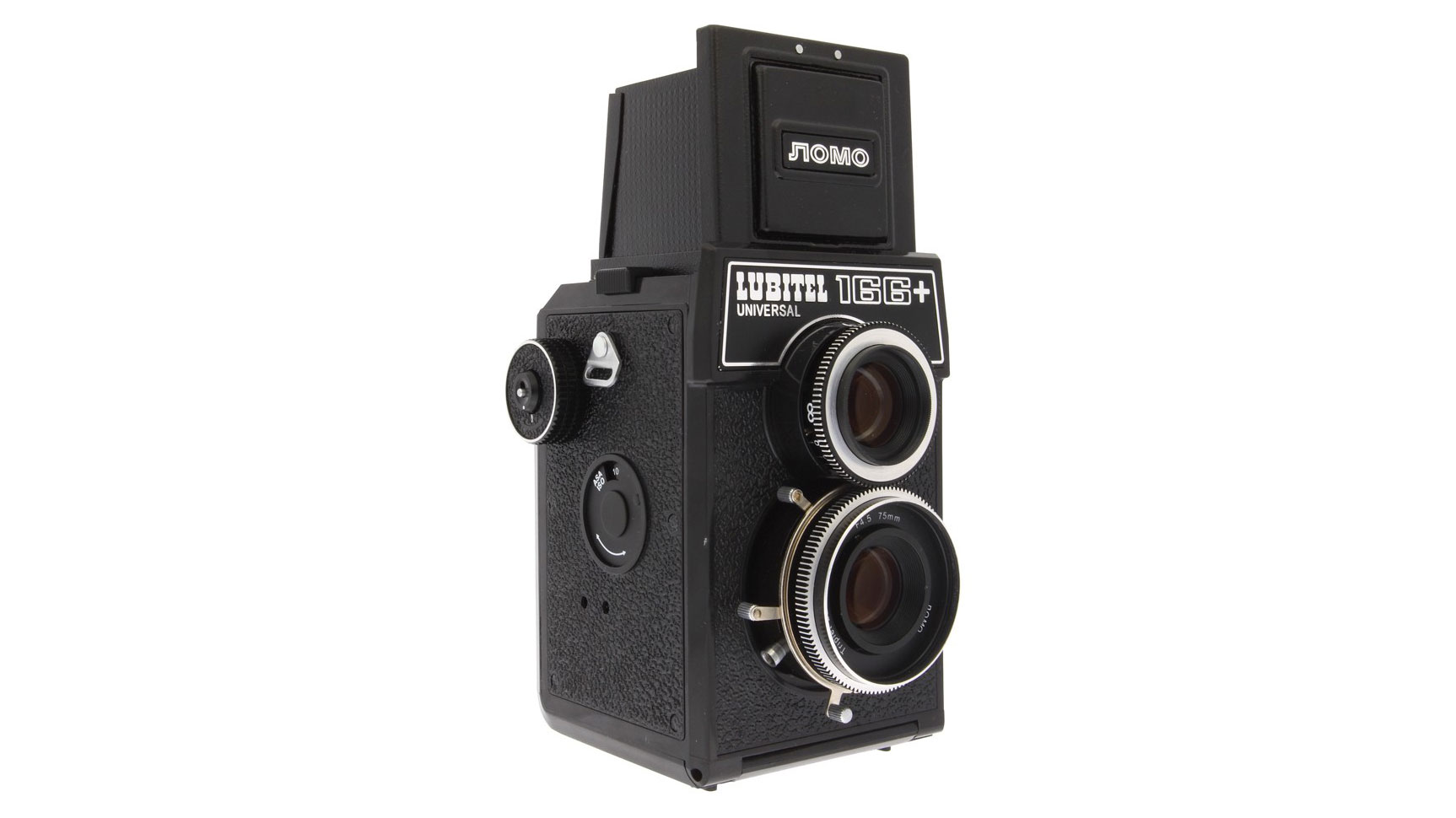
If you bought a Russian Lubitel back in the 1970s/1980s you probably paid nearly £8 and you were probably doing well to nurse it through a couple of rolls of film before it packed up. We haven't tried the Lomography version simply we hope it will go along going a niggling longer – specially at this price. The modern Lubitel 166+ is unashamedly plastic in its construction and unapologetically basic in its features. You get manual aperture command (f/4.5-22), manual shutter speed control (ane/25--1/15sec plus B) and no calorie-free meter. But the Lubitel isn't about engineering finesse, it's near rediscovering the imperfections and naivety of old snapshot photography.
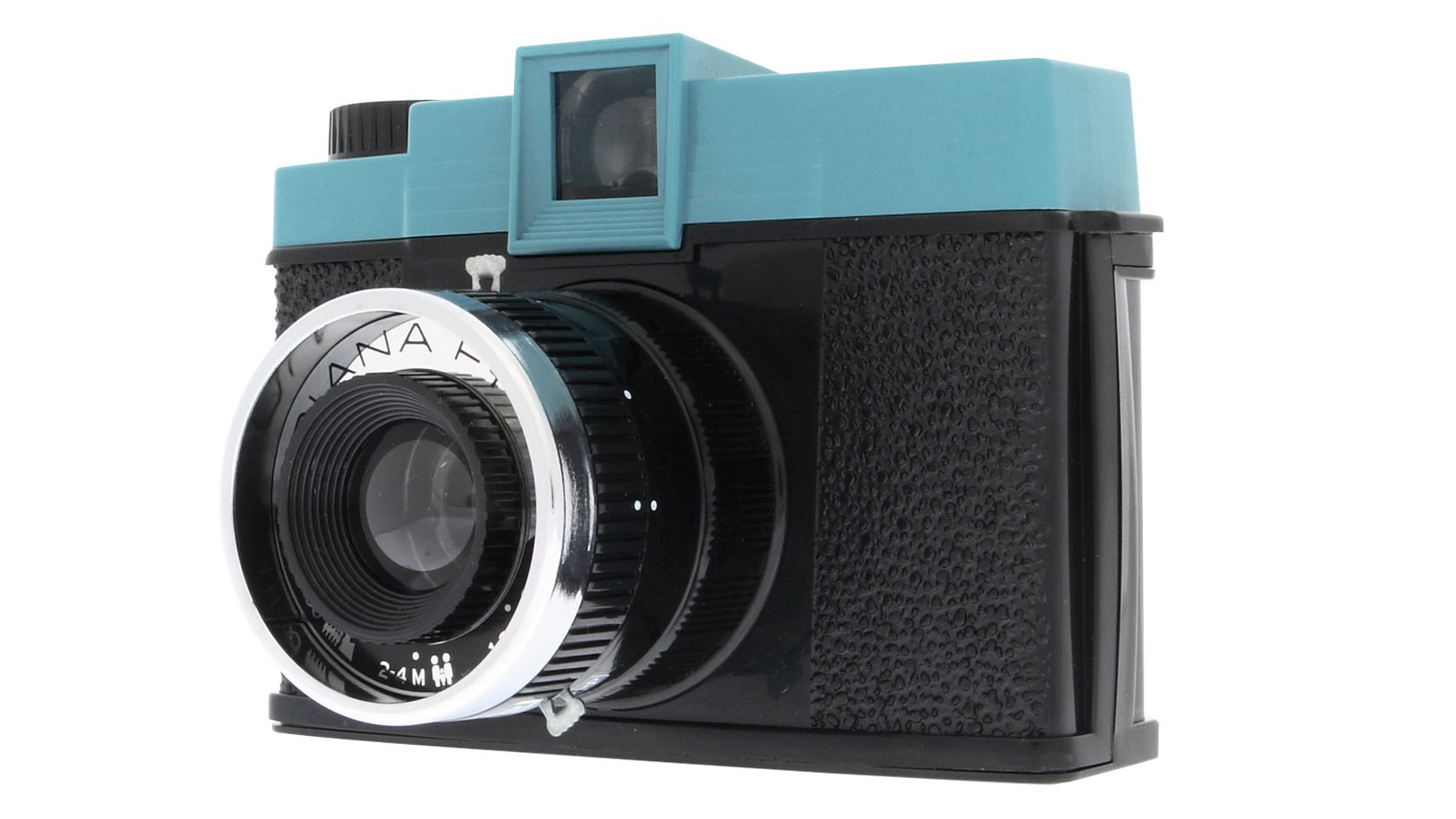
If the reimagined Lomography Lubitel 166+'southward price tag is likewise rich for your blood, and then at that place's always the Diana F+. It's a celebration of brightly-colored plastic and bargain-basement features, and a reminder of what cameras used to be similar – and how the conditions had to be right for taking a picture. With three-position zone focussing, just one shutter speed (ane/60sec) plus b, and apertures linked to the lighting conditions (pinhole, f/8, f/eleven, f/sixteen), y'all're going to need optimism and a willingness to experiment, for certain. On its own the Diana F+ is very inexpensive, merely if yous fancy embracing the total experience there is a boxed accessory kit with a flash, cable release, interchangeable lenses and sky knows what else.
• See also Best Lomography cameras
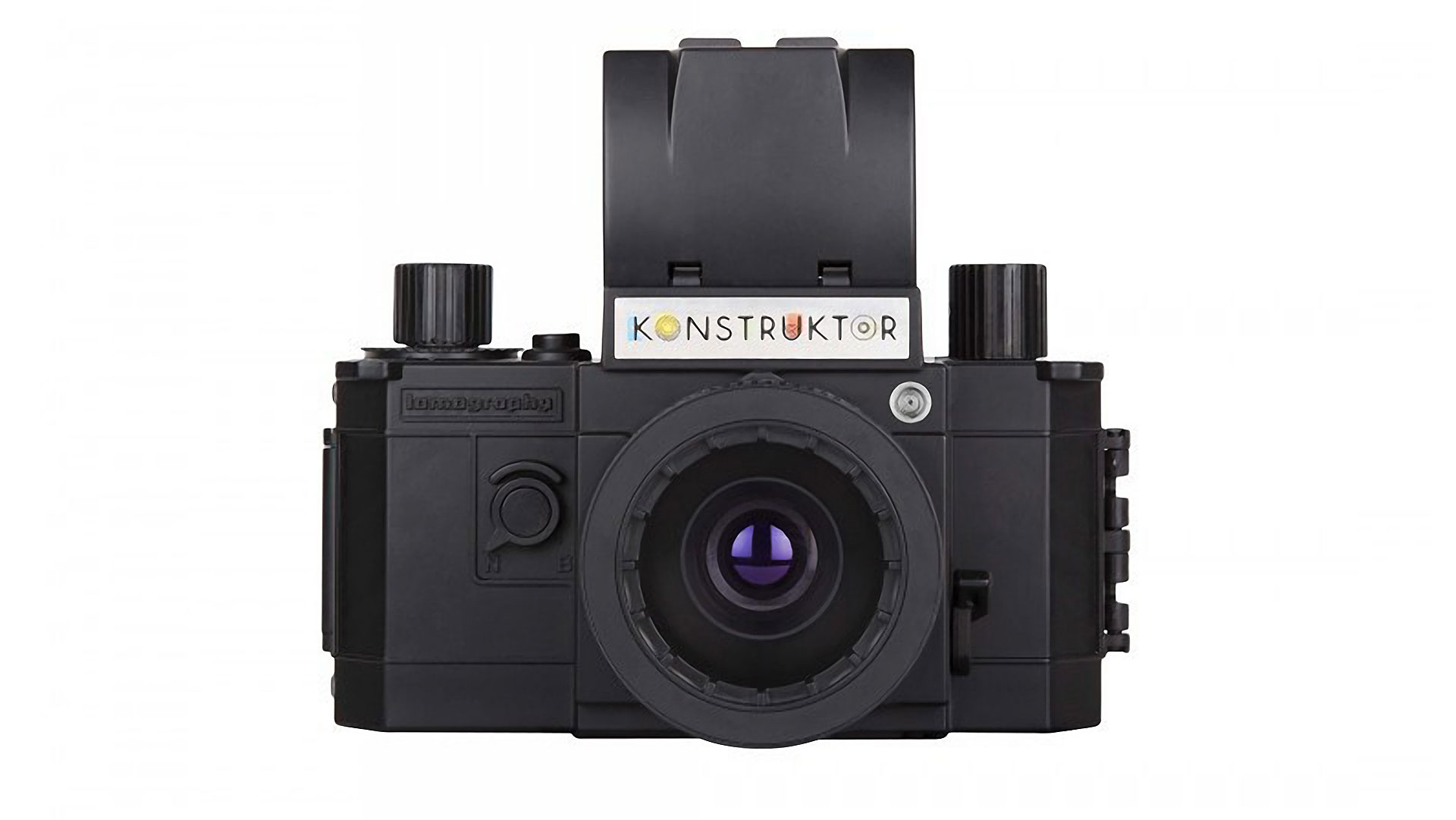
This photographic camera is probably a lot more fun to make than it is to use. It comes every bit a surprisingly cheap kit, but there are lots of plastic panels, parts, screws and springs to put together and so information technology's going to take some patience and dexterity. What you get is a photographic camera with a plastic lens, a single 1/80sec shutter speed (plus B), a fixed-aperture 50mm f/x lens and manual (manifestly) focusing. You'll need patience to employ it, plus some very exposure tolerant film – we'd suggest color negative for its latitude. It does have a very interesting waist-level viewfinder though, with through-the-lens viewing provided past jump-loaded mirror lever.
• See besides All-time cameras for kids
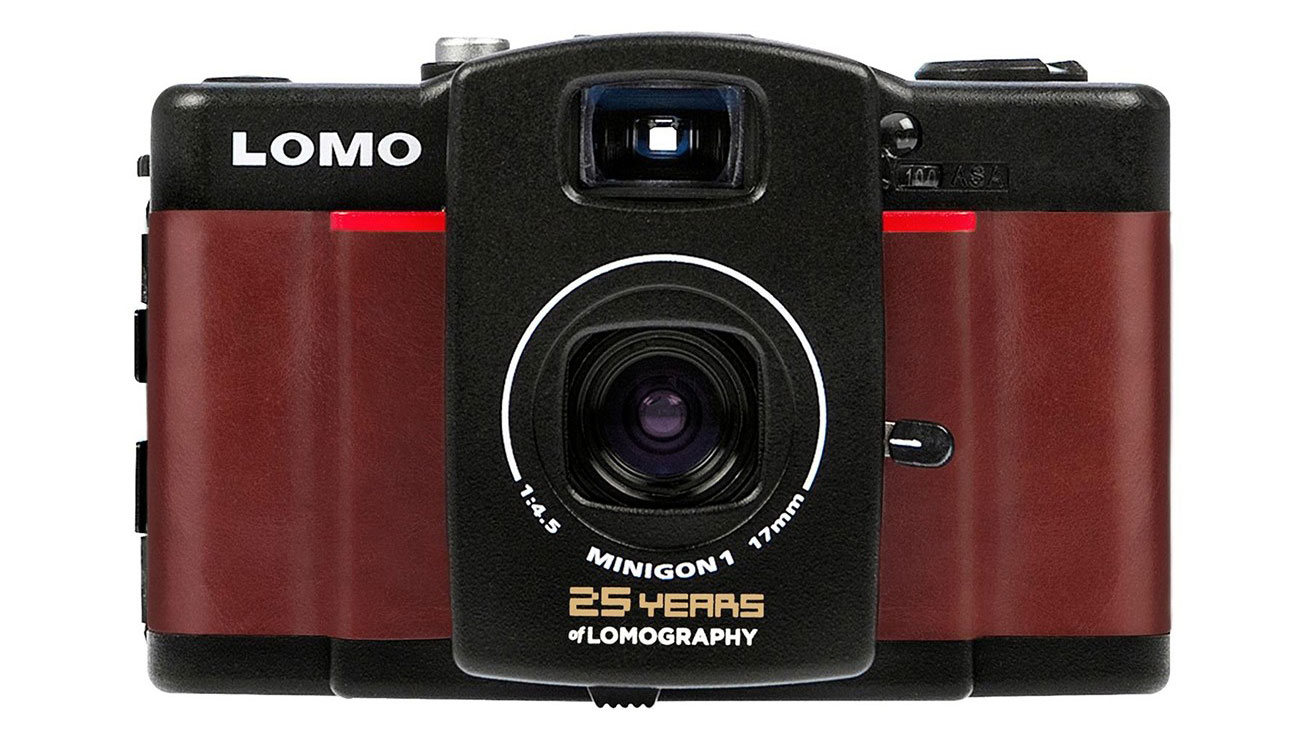
Yeah, it'due south a lot to pay for a plastic camera, and you lot've got to exist a fan of the heavily-vignetted, super-saturated, none-too-sharp Lomo look, but the Lomo LC-Wide certainly lives upwardly to its proper name. Its 17mm lens is mode wider than the kit lens tin go on any regular photographic camera and well into ultra-wideangle territory. The LC-Broad has a streamlined pocket-friendly design that looks as contemporary as flared trousers (which is the idea, right) and has the luxury of automated exposure, with shutter speeds from 1/500sec to (information technology says here) infinity and apertures from f/four.5-xvi. It does need three (aye, iii) LR44 batteries, though.
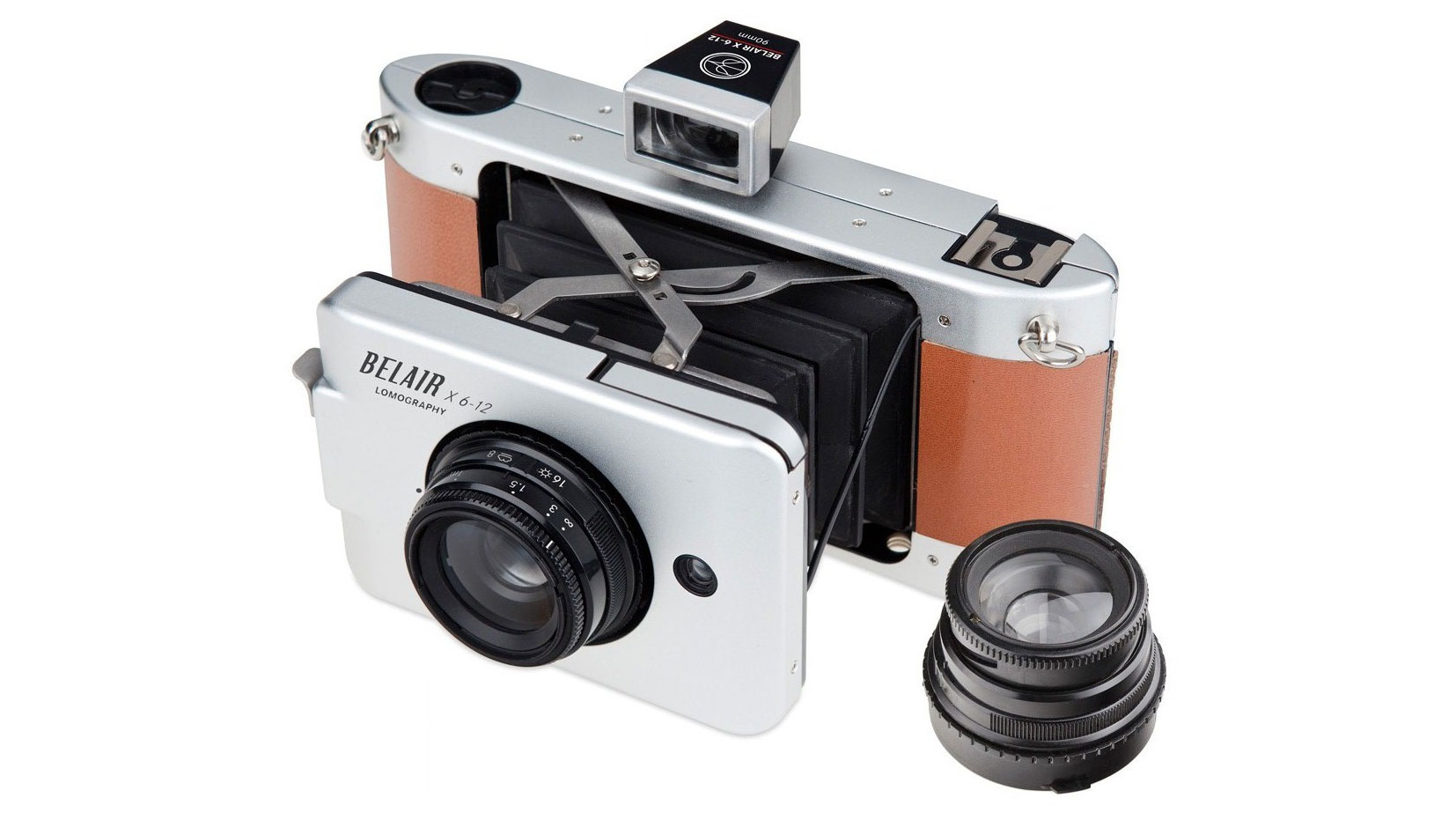
Panoramic medium format cameras are typically very expensive, but the Belair Ten 6-12 is not. Information technology can shoot medium format images at iii different aspect ratios, including vi:6 (square), vi:9 and an actress wide half-dozen:12 ratio. That's the corking thing nigh 120 curlicue film, that information technology has a fixed 6cm height merely allows photographic camera makers to choose all manner of different frame widths. The Belair looks very cool, and the Belair trim is only one of several options. There's a lot of plastic, though, then don't look too much from the terminate and experience. This has to be just about the cheapest way to get into medium format panoramic photography, though, and it even comes with two (plastic) lenses.
Dispensable film cameras
It'southward moving-picture show photography at its most basic – depression cost, depression gamble and, er, perhaps low expectations. Unmarried-use or disposable cameras come up pre-loaded with 35mm motion-picture show, pack a basic basic lens on the front and have no photographic controls. If it's brilliant outdoor calorie-free, you lot're fine; if you're indoors, use the flash. Anything in between – well, y'all're on your own. The results are variable, just they're great for kids, parties, holidays and cheap gifts.
•Run into likewise Best disposable cameras
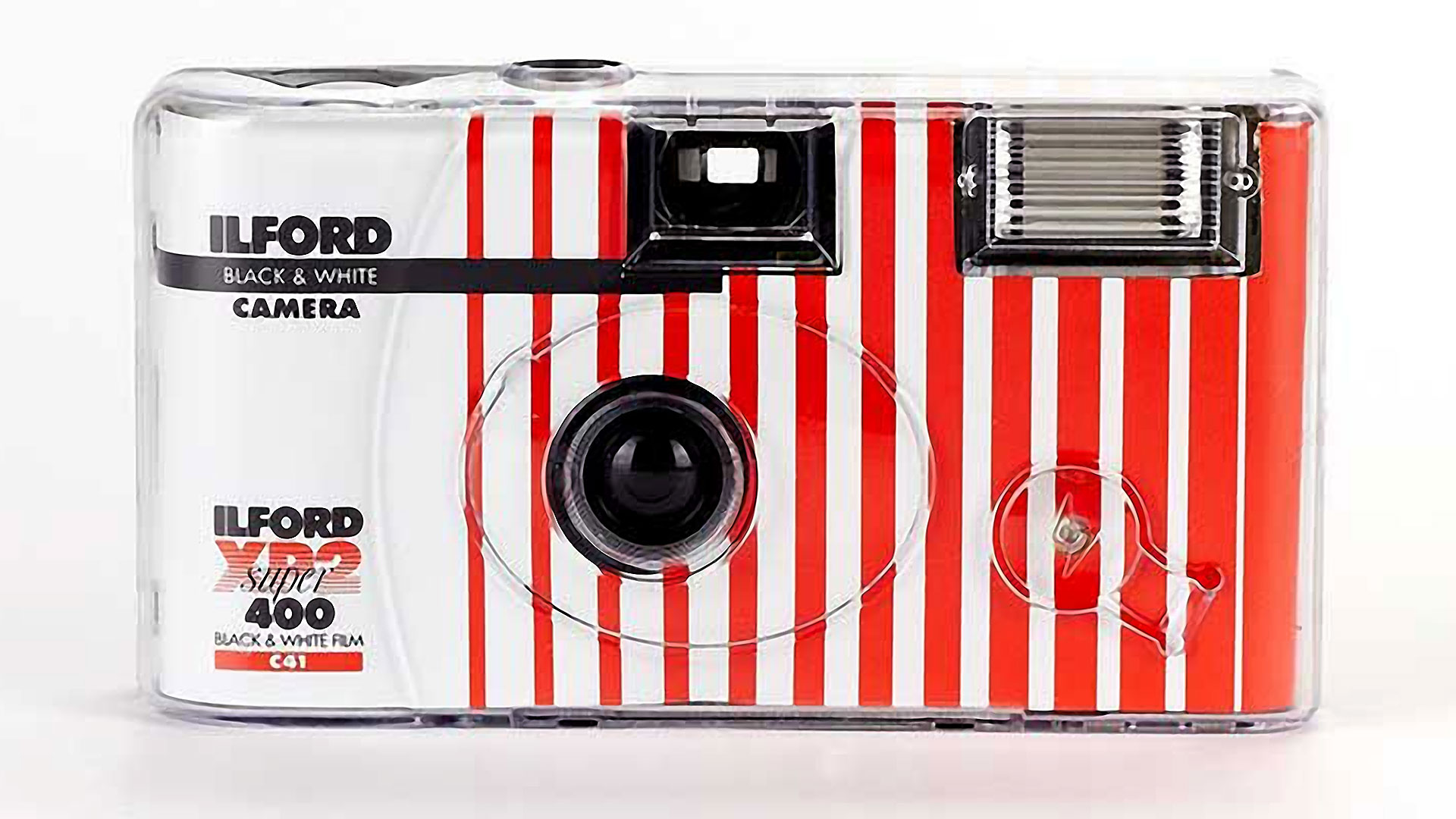
Ilford's single-use camera looks no more sophisticated than any of its rivals, but it'south what's within that'south interesting. It's loaded with Ilford'southward XP2 blackness and white film, which is pretty unique in that it can be adult with regular C41 chemicals which are used for developing colour print films around the globe (other black and white films need chemicals formulated by people wearing thick glasses and lab coats). If y'all decide yous prefer your black and white with traditional chemistry you can utilise yourself (handily, it works at room temperatures), yous tin can go single-employ variant loaded with Ilford'southward archetype ISO 400 HP5 Plus film. In that location's even a color version loaded with "Ilfocolor" Film, which dates back to the 1960s and gives a existent retro feel.
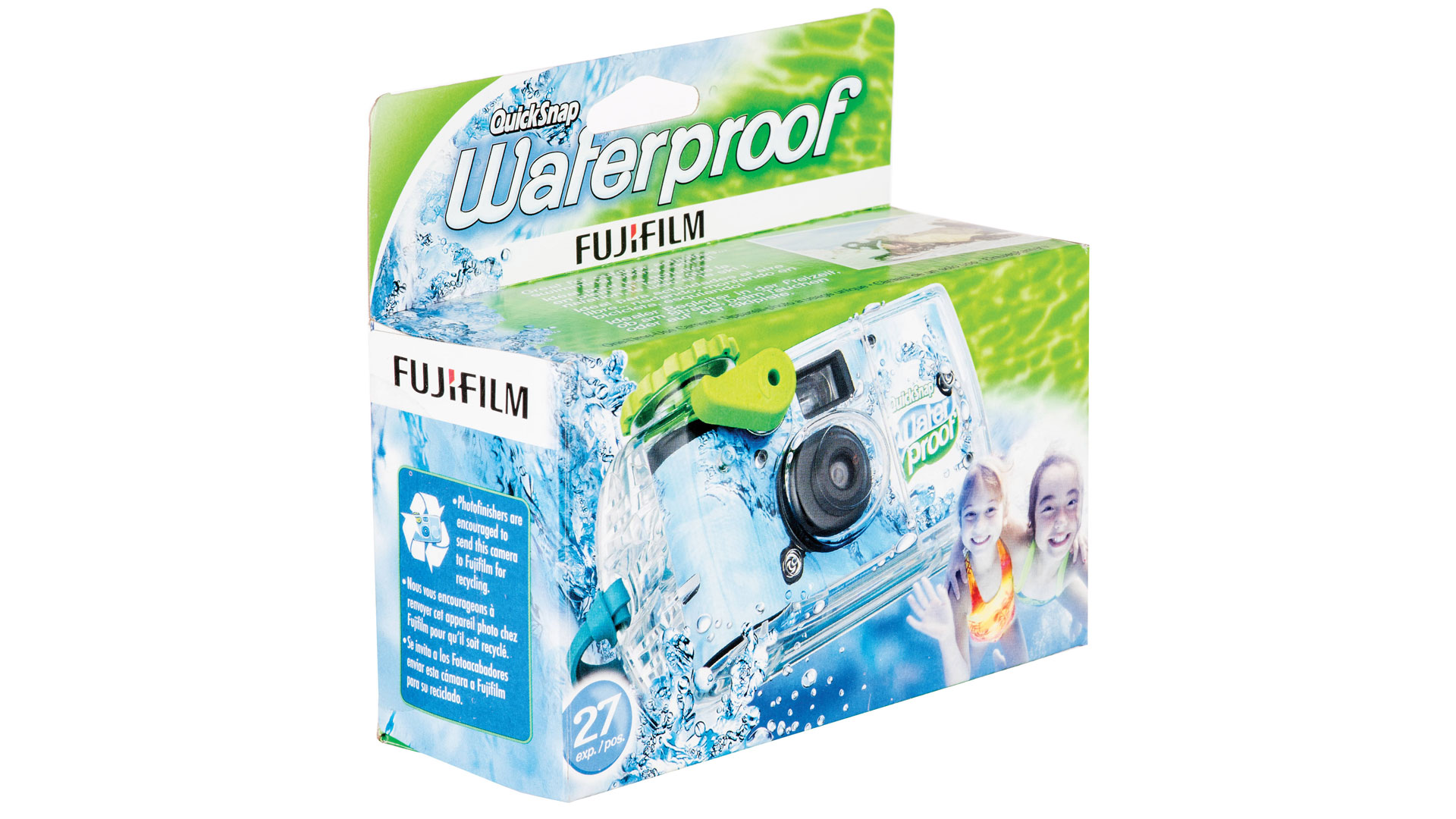
Yeah, it does cost a few pounds more than your usual disposable camera, but you lot're getting a waterproof photographic camera, for heaven's sake! Fujifilm says its plastic example is water-resistant to a depth of 10m, then information technology'south likely you lot're going to be in problem long before the camera is. The Fujifilm Quicksnap Marine comes loaded with 24 exposures of Fujifilm ISO 800 Superia colour negative film which you should be able to go developed at whatever regular high street chemist or online photo lab. Control is limited, obviously, in that in that location isn't any. The exposure is stock-still at ane/125sec at f/x so actually you're going to need expert outdoor light to get decent results, simply that'due south true of any single-use camera.
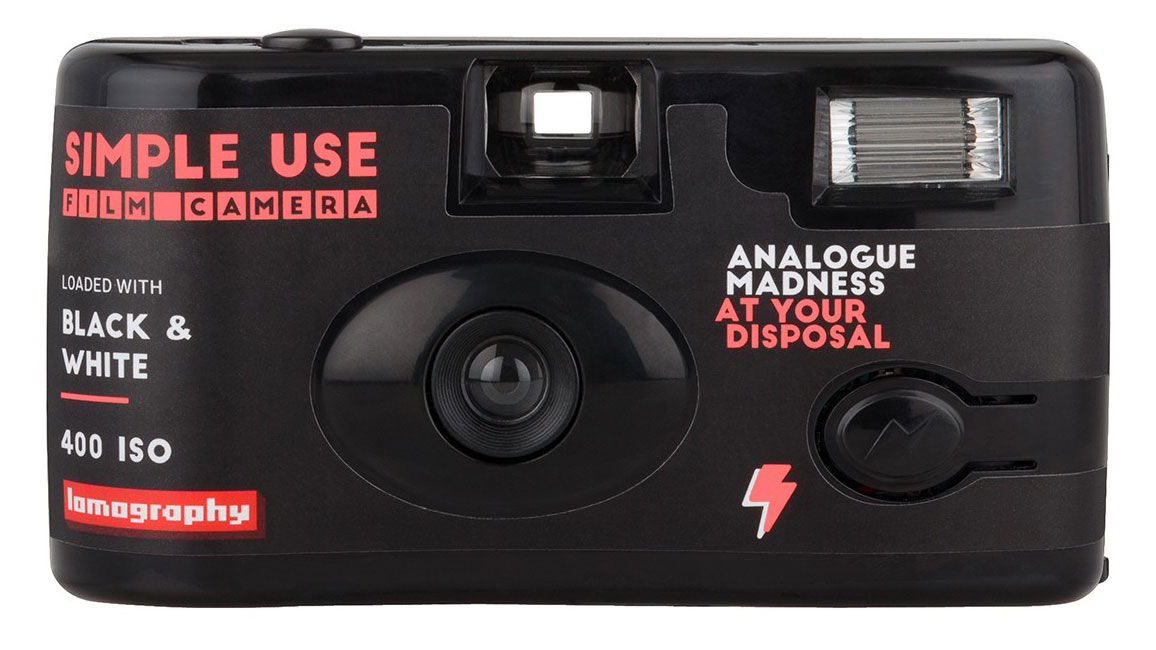
Hither you get two new adventures for the cost of one. You can return to the lo-fi land that time forgot with this super-basic disposable camera and try out the tonality of one of Lomography's own blackness and white films. You might have to hunt effectually a fiddling to find a lab to do the processing, only Lomography does in fact run its own lab and then you tin always send the camera back for processing when y'all're done. The camera is cheap, but analog processing, sadly, is not, but that'due south the difference between analog and digital – you're capturing the earth on a physical medium, not just as a bunch of binary bits.
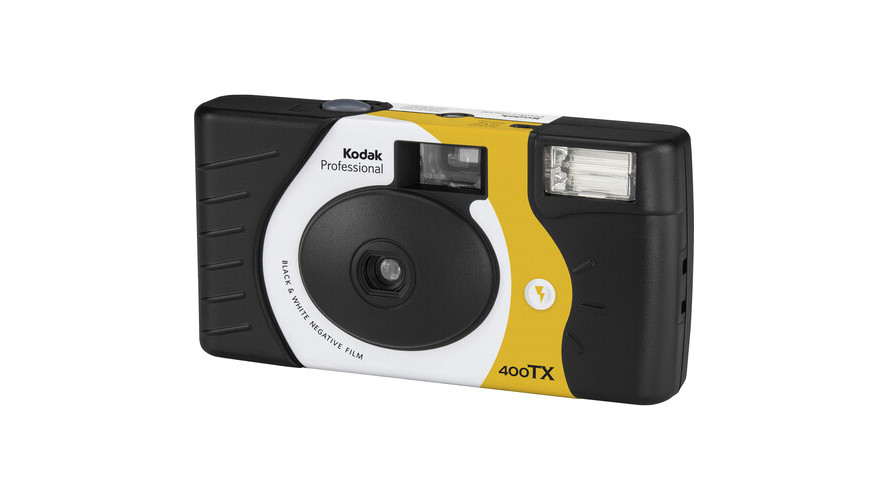
Kodak'southward Tri-X 400 is one of the most famous monochrome films of its era, with many photographers falling in love with information technology for its dramatic, dissimilarity-y look. Now, it's available in a unmarried-use camera, which may make for the perfect gateway drug for anyone looking to dip their toes into analogue photography. As well equally 27 shots of Tri-X, you lot also become what Kodak describes as the most powerful flash on a disposable camera, which perfectly complements the loftier-key drama of the Tri-Ten movie stock.
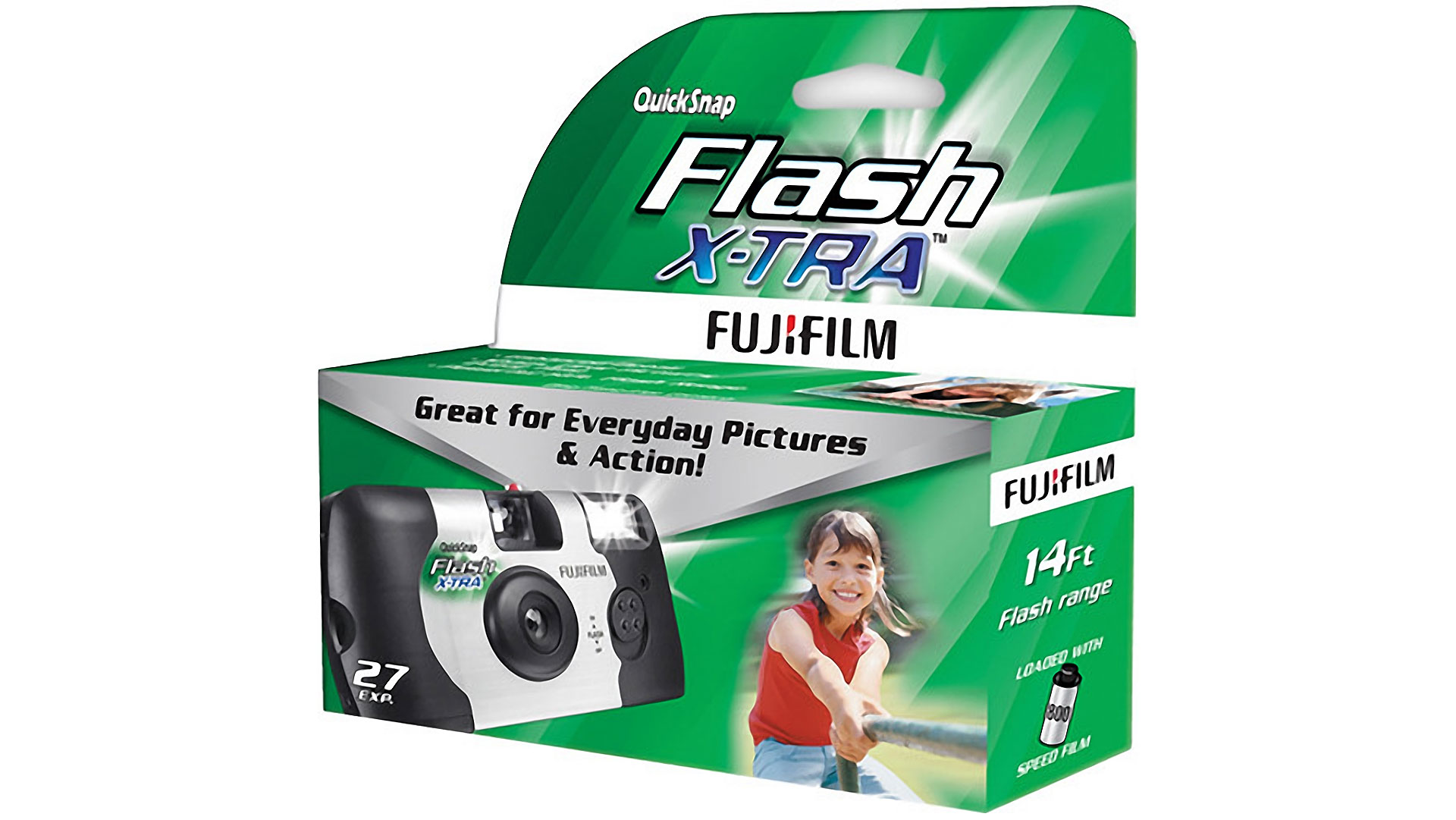
The Fujifilm Quicksnap Flash 400 is pretty ubiquitous and typical for 35mm disposable cameras. We've non been able to discover out anything well-nigh the lens but it's pretty clear it's going to be a semi-wide plastic lens with a small-scale fixed discontinuity and a single, fixed shutter speed. This photographic camera also comes with a flash, and then it's a bit of a mystery how they make them for this money. The quality volition depend on how well you cull the lighting atmospheric condition – information technology's going to work best outdoors in good light, though the flash has a range of 10ft and then indoor political party shots are possible besides, but expect eighties-style crimson-heart effects and rabbit-in-the-headlights facial expressions.
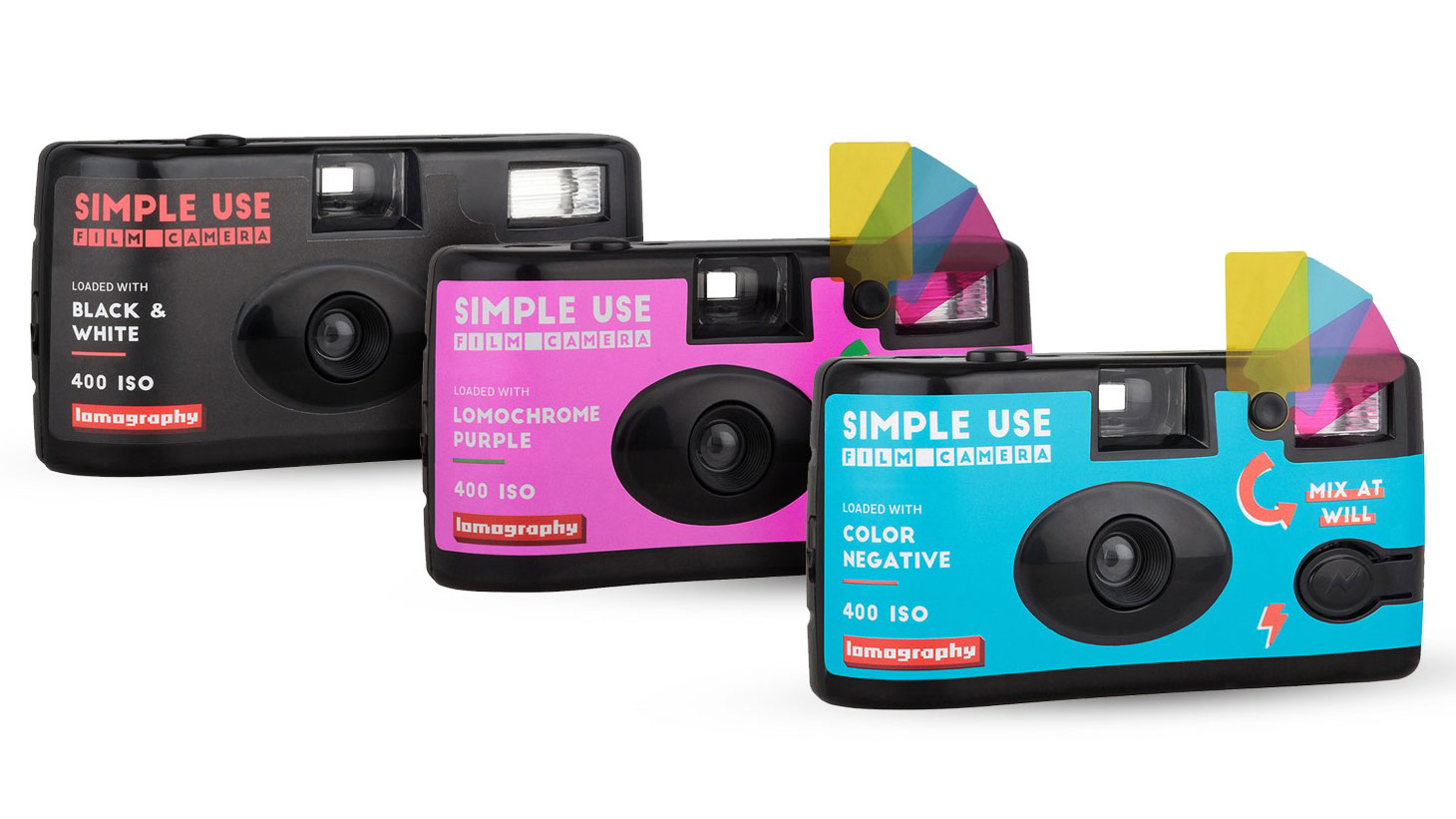
Fancy trying analog photography only don't want to commit to an actual, proper photographic camera? Then these re-usable cameras from Lomography could be perfect, especially since y'all get to try out three different films from the Lomography range. One is loaded with regular ISO 400 color negative pic, one uses Lomography's Lady Greyness ISO 400 blackness and white film – but the almost heady is loaded with ISO 400 Lomography Majestic, which gives images a surreal purplish-green infrared upshot... kind of. With what looks like a fixed shutter speed of ane/12sec and an aperture of f/nine, it looks like these cameras volition lean heavily on the legendary exposure latitude of negative picture show, but there is a built in flash (with colored gels, fifty-fifty).
Film buyers' guides:• T he all-time 35mm motion picture
• The all-time 120 whorl moving-picture show
• The all-time canvas movie
Read more camera buying guides:• The best instant cameras
• The best DSLRs, whatever your budget
• The best cameras for beginners
• The best disposable cameras
• Best slide viewers
• The best Lomography cameras
Related manufactures

Source: https://www.digitalcameraworld.com/buying-guides/best-film-cameras
Posted by: colewittionfer.blogspot.com
0 Response to "How Clear Should The Viewfinder Be On Old Camera"
Post a Comment